
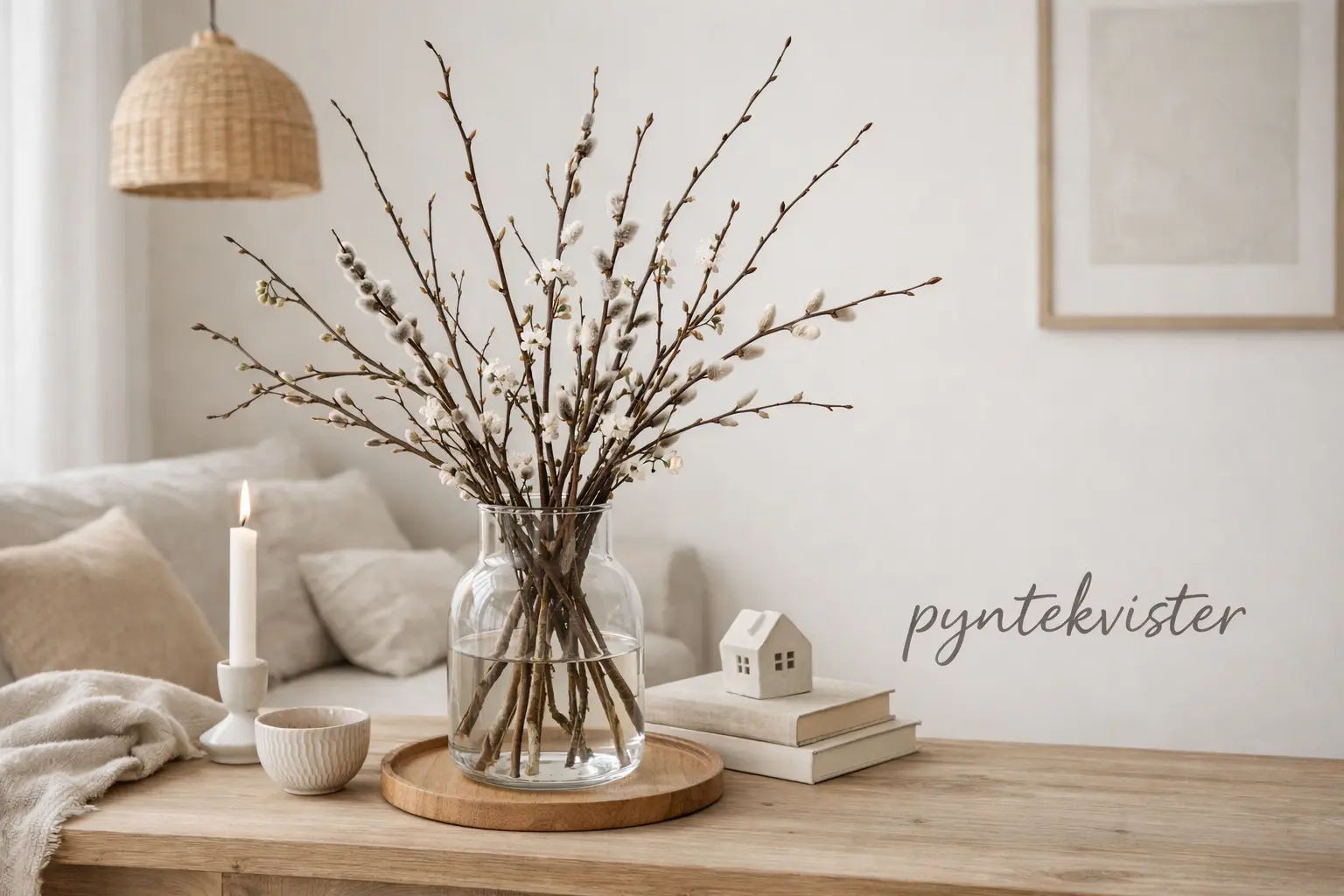
In Scandinavian homes, nature is never far away, even indoors. One of the most charming ways to bring the outdoors inside is through pyntekvister. These decorative twigs have become a popular element in interior design, combining simplicity, elegance, and a connection to nature. Whether used for seasonal décor, minimalist aesthetics, or DIY projects, pyntekvister are versatile and timeless.
Understanding Pyntekvister: Definition and Meaning
Pyntekvister is a term derived from Norwegian and Danish, meaning “decorative twigs.” The word itself combines “pynte,” which means to decorate, and “kvister,” which means twigs or small branches. Traditionally, these twigs were brought indoors to brighten the home during long Nordic winters. Today, pyntekvister serve both decorative and functional purposes, adding natural texture and visual interest to living spaces.
The appeal of pyntekvister lies in their simplicity. Unlike elaborate floral arrangements or artificial decorations, they bring a natural, unpretentious beauty to any room. They are lightweight, easy to arrange, and can be adapted to fit various interior styles, from rustic cabins to contemporary apartments.
Historical and Cultural Background
The use of pyntekvister has deep roots in Scandinavian culture. For centuries, Nordic families collected branches and twigs during the winter months to decorate their homes. This practice was not just aesthetic; it carried symbolic meaning. Branches represented life, growth, and protection during the harsh winter months, connecting households to the natural world even when outdoor access was limited.
With the spread of Christianity, these twigs also became part of holiday traditions. Pine and fir branches were used during Christmas, while budding twigs marked the arrival of spring. The tradition evolved over time, blending folk practices with modern design trends. Today, pyntekvister continue to reflect Scandinavian values such as simplicity, mindfulness, and a connection to nature.
Materials and Types of Pyntekvister
One of the reasons pyntekvister are so popular is their versatility in materials and forms. Common natural options include:
- Birch: Light-colored, elegant twigs that add a soft, airy touch.
- Willow: Flexible branches that create flowing, graceful lines.
- Hazel, cherry, or apple branches: Seasonal branches that may carry blossoms or small fruits.
- Pine and fir: Evergreen branches that bring a touch of winter charm.
In addition to natural twigs, modern decorators sometimes use artificial branches made from wood, resin, or metal. These can be painted, glittered, or otherwise enhanced to match specific interior themes or seasonal decorations. Despite these innovations, the essence of pyntekvister remains their natural, organic look.
Uses of Pyntekvister in Home Décor
Pyntekvister are extremely versatile in home decoration. They can be used in a wide variety of ways to create an inviting atmosphere.
Everyday Décor
A simple vase filled with pyntekvister can transform a corner of a room. Their vertical lines add dimension and interest, while their natural tones complement wood, stone, and neutral color schemes. These arrangements are perfect for living rooms, bedrooms, and even hallways.
Seasonal Decoration
Scandinavians often adjust their use of pyntekvister according to the seasons:
- Spring: Budding branches with pastel accents or small flowers.
- Autumn: Twigs adorned with dried leaves, berries, or cinnamon sticks.
- Winter: Pine, fir, and spruce branches, often decorated with lights or ornaments.
- Easter: Birch twigs decorated with feathers or small eggs.
These seasonal adjustments make pyntekvister a flexible option that can refresh a home throughout the year.
Creative and Functional Uses
Beyond simple vases, pyntekvister can be incorporated into more elaborate designs:
- Wall or ceiling installations for an artistic effect.
- Centerpieces for dining tables or holiday gatherings.
- Photo backdrops for events or parties.
By choosing the right combination of twigs and accessories, pyntekvister can serve both decorative and functional purposes in a space.
Design and Aesthetic Significance
Pyntekvister align perfectly with Scandinavian design principles. Their natural textures, simple forms, and organic appeal complement minimalistic interiors, bringing warmth and life without clutter. The twigs add subtle complexity to a room, creating focal points that are both calming and visually appealing.
They also fit modern biophilic design trends, which emphasize the inclusion of natural elements indoors to enhance well-being. Studies have shown that exposure to natural textures and forms can reduce stress and improve mood, making pyntekvister not just decorative but psychologically beneficial.
DIY Tips and Care for Pyntekvister
Creating and maintaining pyntekvister arrangements is simple and rewarding.
DIY Tips
- Collect twigs from parks, gardens, or your own backyard.
- Clean and dry the branches before placing them in arrangements.
- Paint or decorate tips for seasonal effects, using pastel colors for spring or gold for winter.
- Combine with dried flowers, moss, or small ornaments to create unique designs.
Care Instructions
- Avoid placing pyntekvister in damp environments to prevent mold or rot.
- Dust the twigs gently with a soft cloth or brush.
- Rotate arrangements periodically to maintain freshness and visual interest.
With proper care, these decorative twigs can remain a charming element in a home for months or even years.
Modern Trends and Applications
Pyntekvister have experienced a resurgence in popularity as part of sustainable and eco-friendly design trends. People are increasingly seeking natural, organic décor options that are simple to maintain and visually pleasing.
Many interior designers now include pyntekvister in their projects, pairing them with neutral tones, natural materials, and minimalist furniture. They are also featured prominently on social media platforms, where DIY enthusiasts share seasonal arrangements, creative installations, and styling tips.
From small apartments to spacious homes, pyntekvister have proven adaptable to various styles, including Scandinavian, rustic, bohemian, and contemporary décor.
Lifestyle and Well-being Benefits
Beyond their aesthetic appeal, pyntekvister can contribute to overall well-being. Natural elements indoors can reduce stress, increase comfort, and promote mindfulness. Arranging and caring for pyntekvister can be a meditative activity, encouraging creativity and focus.
By bringing a touch of nature inside, pyntekvister help create spaces that feel alive, warm, and inviting. This makes them a valuable addition to homes where comfort and tranquility are priorities.
Conclusion
Pyntekvister are more than just decorative twigs; they are a bridge between nature and modern living spaces. With their historical roots, versatile uses, and aesthetic appeal, they offer a unique way to enhance homes while maintaining a connection to the natural world. Whether for everyday décor, seasonal celebrations, or creative projects, pyntekvister remain an enduring symbol of simplicity, elegance, and mindfulness.
Incorporating these decorative twigs into your home is not just about design—it is about creating an environment that reflects harmony, well-being, and the timeless beauty of nature.
FAQs About Pyntekvister
What are pyntekvister used for?
Pyntekvister are decorative twigs used to enhance home décor, add seasonal charm, and create natural focal points indoors.
Can I use artificial twigs as pyntekvister?
Yes, artificial twigs can be used, especially when painted or decorated, but natural twigs retain the traditional aesthetic.
Which materials are common for pyntekvister?
Common options include birch, willow, hazel, cherry, and pine, chosen for their texture, flexibility, and seasonal appeal.
How do I care for pyntekvister?
Keep them dry, dust regularly, and rotate arrangements to maintain their natural beauty over time.
Are pyntekvister suitable for all interior styles?
Yes, they complement Scandinavian, minimalist, rustic, bohemian, and contemporary designs with their natural and versatile charm.
You May Like: Awius Explained: Meaning, Uses, and Its Growing Relevance