
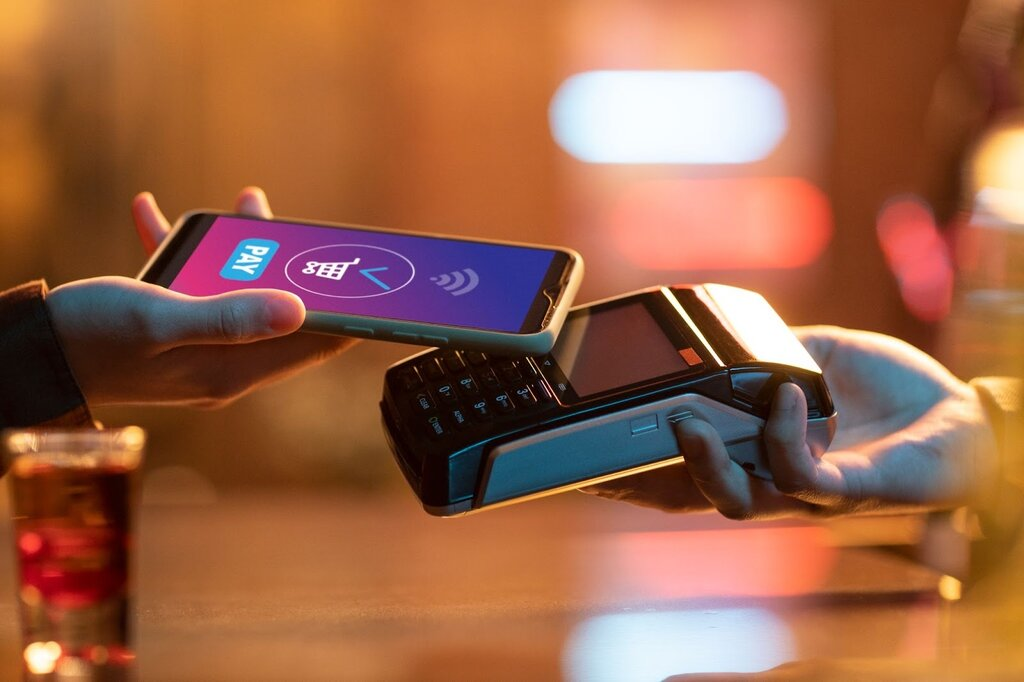
Picture this: you’re scrambling for exact change or refreshing your bank app to see if that check finally cleared. Annoying, right? Whether it’s rent breathing down your neck, a vendor tapping their foot, or you’re just tired of your card details bouncing around the internet, there’s a better way.
Modern payment methods are genuinely useful when timing and security trump old habits. Here’s something concrete: back in 2024, the average U.S. consumer tapped their mobile phone for payments 11 times monthly, that’s nearly a quarter of all their transactions.
Sure, digital payments are spreading like wildfire. But there’s one innovation that’s completely eliminated the need to touch anything at checkout, and it’s quietly changing everything from subway turnstiles to corner stores.
Digital Wallets and Virtual Card Solutions
Moving from quick taps into full-blown wallet apps feels natural, you’re glued to your phone anyway. The real upgrade? Splitting “fast payment” from “oversharing personal data.” That’s where things get interesting.
Digital Wallet Platforms
PayPal, Venmo, Cash App, they all shuffle money around, but the vibe’s different. One excels at splitting brunch tabs. Another nail online checkout. A few now blend crypto trading, stock investing, or business invoicing into the mix.
International transfers expose the truth about fees. A wallet that feels “free” at home can punch you in the gut when you’re wiring cash overseas. Still, these digital payment alternatives are hands-down the easiest route to retire your checkbook for good.
Virtual Prepaid Card Services for Enhanced Control
Here’s an underrated gem: control. Spin up a fresh card number for a single purchase, cap the spend limit, or kill a subscription dead without touching your primary card. Companies distributing rewards or payouts globally appreciate platforms that issue prepaid cards fast, minus operational headaches.
When you’re comparison shopping, Giftbit zeroes in on sending digital Visa and Mastercard prepaid cards globally, letting recipients spend in local currency and load cards into mobile wallets where supported. Smart move? Reach for a virtual prepaid card when you want a firewall between your bank account and the wild web.
Bank-Issued Virtual Cards for Secure Online Shopping
Lots of banks now generate throwaway card numbers straight in their apps. Perfect for sketchy trial subscriptions, flight bookings, or any site that raises your eyebrows.
Sweet bonus: rewards usually stack since it’s anchored to your main account. Fraud protection feels clearer when your actual bank issues the number. Once wallets modernize traditional currency, crypto flips the script entirely: what if payments never touched banks at all?
While digital wallets refined how we manage dollars and euros, blockchain tech poses a radical question, can payments run entirely outside conventional banking rails?
Contactless Payment Technologies Reshaping Transactions
Swapping your worn leather wallet for a quick tap might seem trivial. It’s not. This shift accelerates checkout lanes and reshapes daily routines faster than you’d expect. Shoppers love it because there’s zero friction. Merchants? They’re thrilled when “swipe again” disappears from their vocabulary.
NFC-Based Mobile Wallets and Tap-to-Pay Solutions
You’ve probably used Apple Pay, Google Pay, or Samsung Pay by now. They’re so common that hitting a store without tap-to-pay feels oddly dated. Tokenization does the heavy lifting here, your actual card number never touches the transaction. Biometrics layer on security that doesn’t slow you down.
Setting up? Most merchants just flip on a compatible terminal and slap a “tap here” sticker at the register. But don’t forget to check spending caps, test it while traveling, and read the fine print on currency swaps, those “convenient” conversions can sting.
Wearable Payment Devices and Smart Accessories
Double-click your smartwatch and you’re done paying. Sounds like a gimmick until your hands are juggling groceries and coffee. Payment rings and fitness bands are picking up steam with joggers, subway commuters, and anyone who’d rather travel light.
The obvious risk? Lose the gadget, lose the payment shortcut. Most apps let you freeze access instantly, assuming you actually bothered setting that up beforehand. Now, if you want something even simpler, and cheaper for sellers, QR codes enter the chat.
QR Code Payment Systems Gaining Global Momentum
QR payments absolutely dominate across Asia-Pacific, and they’re spreading worldwide because the barrier to entry is laughably low. A street vendor can print a code on paper. Meanwhile, big retailers weave QR checkouts into loyalty schemes and flash promotions.
Two pathways exist: either the merchant displays a code for you to scan, or you flash a code they scan. Both work beautifully because simplicity wins. Tapping and scanning cover a lot of ground, but digital wallets and virtual cards push the “ditch physical plastic” movement even further.
Beyond tapping at terminals, the real revolution lives inside comprehensive wallet ecosystems and virtual cards that make your physical credit card feel like a relic.
Buy Now, Pay Later (BNPL) and Flexible Payment Options
Installments aren’t exactly groundbreaking. But BNPL makes them feel effortless, maybe too effortless. That’s why you need to grasp approvals, hidden fees, and what happens when plans implode.
Interest-Free Installment Payment Services
Klarna, Afterpay, Affirm, Sezzle, they diverge on repayment timelines and when interest kicks in. Some approve you lightning-fast with minimal checks; others scrutinize like traditional credit.
Returns get messy if you ignore the provider’s protocol. That said, for shoppers dodging credit card interest, BNPL can be a solid tool, assuming discipline beats optimism.
Point-of-Sale Financing for Major Purchases
Bigger buys, dentistry, car repairs, kitchen remodels, often unlock point-of-sale financing with promotional windows. Deferred interest will bite hard if you don’t zero the balance in time, so actually reading terms matters more than anyone wants to admit.
For underbanked buyers, alternative credit scoring opens doors, but costs swing wildly. As money races through apps and instant approvals, security can’t lag behind passwords alone.
As payment flexibility explodes through BNPL, security demands have exploded too, ushering in biometric authentication systems that treat your unique physical traits as the ultimate payment password.
Biometric Authentication Payment Systems
Passwords are forgettable and stealable, so biometrics are muscling into payments everywhere. The balancing act? Convenience versus privacy, because nobody wants their facial data mishandled or sold.
Fingerprint and Facial Recognition Payments
Biometric payment cards are being trialed in select markets, and terminals are testing face or palm recognition at checkout. Amazon One palm scanning grabbed headlines, but smaller pilots exist globally.
Solid systems encrypt biometric data securely and skip storing raw images. Accuracy and accessibility still count, not every face scan performs flawlessly in bright sunlight or dim lighting.
Voice-Activated and Behavioral Biometric Payments
Voice approval via smart speakers sounds sci-fi, yet it’s already live in limited rollouts. Behavioral biometrics, typing rhythm, mouse movements, silently flag fraud in the background.
For high-stakes purchases, multi-factor combos are becoming standard. Once security tightens up, people naturally shift toward social money movement, not just business-to-customer flows.
While biometrics lock down individual payments, the social side of money has exploded, with peer-to-peer apps transforming how friends, families, and communities swap cash digitally.
Business-Focused Modern Payment Alternatives
Business payments aren’t just pushing money around; they’re about tracking it, tying it to invoices, and keeping the books spotless. This is where newer platforms rescue real hours, not just checkout seconds.
B2B Payment Automation and Virtual Cards
AP automation platforms handle approvals, routing, and record-keeping without human babysitting. Corporate virtual card programs cut risk by capping spend per vendor or per transaction, crucial when multiple departments are buying software and services.
Get this: nearly two-thirds of U.S. businesses, 66 percent, say they’d embrace instant payments if their primary bank offered them. Makes sense. Nobody enjoys waiting on funds when payroll or inventory hangs in the balance.
Request-to-Pay and Invoice-Based Solutions
Request-to-pay reverses the typical flow: the biller sends a prompt, the payer approves it. Digital invoice presentation slashes manual data entry, cutting errors and disputes.
Supply chain financing and dynamic discounting enter the picture too, especially for larger suppliers. Beyond these proven tools, emerging tech aims to erase the payment “moment” altogether.
Cross-Border B2B Payment Innovations
SWIFT gpi boosts tracking transparency. Real-time rails and multi-currency accounts smooth out predictability. Some businesses dabble in blockchain trade finance, mainly when documentation and settlement timing cause headaches.
Automated compliance screening can accelerate onboarding, though it’s no silver bullet. From here, the exciting stuff emerges: IoT payments, invisible checkout, micro-transactions.
Beyond established enterprise systems, bleeding-edge technologies are spawning entirely fresh payment paradigms, from IoT-triggered automatic transactions to invisible checkout flows that obliterate payment friction completely.
Conclusion
Traditional payment methods laid the foundation for commerce, but modern alternatives are reshaping how individuals and businesses exchange value. Speed, flexibility, security, and digital convenience now drive payment preferences across industries.
As technology continues to evolve, adopting newer payment solutions is no longer simply an innovation strategy; it is becoming a competitive necessity. Businesses that embrace these advancements position themselves for smoother operations, broader reach, and stronger customer engagement in an increasingly digital economy.
FAQs
1. What are modern alternatives to traditional payment methods?
Modern alternatives include digital wallets, prepaid virtual cards, buy now pay later (BNPL) services, cryptocurrency payments, contactless payments, and account-to-account transfers. These solutions prioritize speed, convenience, security, and global accessibility compared to cash or standard credit cards.
2. Are digital payment methods safer than traditional payments?
In many cases, yes. Modern payment systems often use encryption, tokenization, biometric authentication, and fraud detection algorithms. These layers reduce the risk of theft and unauthorized access, offering stronger protection than cash transactions or static card details.
3. Why are businesses shifting toward modern payment solutions?
Businesses benefit from faster transactions, lower processing friction, better tracking, global reach, and improved customer experience. Modern payment tools also support automation, scalability, and seamless integration with accounting and financial systems.