
Steel cables are essential components in industries such as construction, mining, marine operations, and manufacturing. They handle heavy loads, operate under constant tension, and often endure harsh environmental conditions. Without proper maintenance, these cables can corrode, fray, or weaken over time. Using the right steel cable lubricant in combination with wire rope lubricators is one of the most effective ways to extend service life and maintain operational safety.
Lubrication is not simply about reducing surface friction. It plays a vital role in protecting both the internal core and external strands of a wire rope.
The Hidden Wear Inside Steel Cables
A steel cable is made up of multiple strands twisted together around a core. As the cable bends and moves over pulleys or drums, internal wires rub against one another. This constant friction gradually causes wear from the inside out.
Without lubrication, internal abrasion accelerates, leading to reduced strength and potential failure. External factors such as moisture, dust, salt, and chemicals can also penetrate the cable, increasing the risk of corrosion.
Proper lubrication addresses both internal friction and environmental exposure.
How Wire Rope Lubricators Work
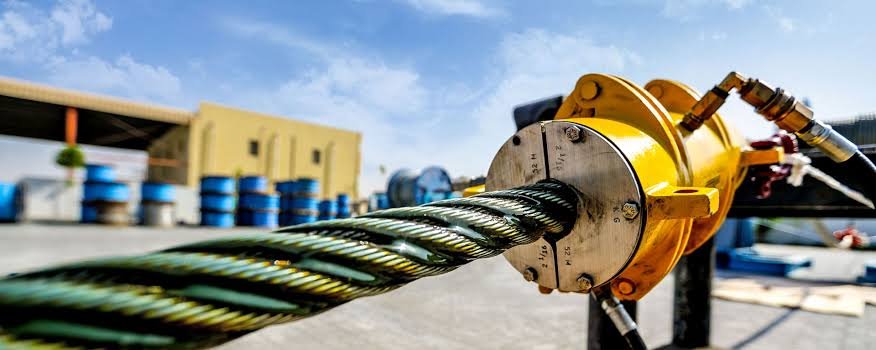
Wire rope lubricators are specialised devices designed to apply lubricant evenly and efficiently across the entire cable. Unlike manual brushing or spraying, these systems force lubricant under pressure into the core of the rope while coating the outer strands at the same time.
The lubricator seals around the cable as it moves through the device. This creates consistent coverage and ensures that lubricant penetrates deep into areas that are otherwise difficult to reach. As a result, both internal and external components receive protection.
This method reduces waste, improves efficiency, and delivers more reliable results compared to surface-only application techniques.
Reducing Friction and Mechanical Stress
Friction is one of the primary causes of cable deterioration. As steel strands move against each other under load, heat and microscopic wear particles are generated. Over time, this weakens the rope structure.
Applying a high-quality lubricant reduces friction between strands, minimising heat buildup and internal damage. Lower friction also allows the cable to operate more smoothly across sheaves and drums, improving overall equipment performance.
Reduced mechanical stress translates into fewer replacements and less downtime.
Protecting Against Corrosion
Moisture is a significant threat to steel cables, especially in marine or outdoor environments. Once water penetrates the strands, corrosion can begin internally, where it is difficult to detect until serious damage occurs.
Lubricants create a protective barrier that repels moisture and contaminants. By sealing the cable’s surface and core, they help prevent rust formation and structural weakening.
This protection is particularly valuable in industries exposed to salt air, chemicals, or extreme weather conditions.
Improving Safety and Reliability
Cable failure can have serious safety consequences. Regular lubrication using proper equipment supports structural integrity and reduces the risk of sudden breakage.
Well-maintained cables also perform more consistently, contributing to smoother lifting, hoisting, or towing operations. This reliability is crucial in high-risk industries where equipment failure can disrupt projects and endanger workers.
Lowering Maintenance Costs
While investing in lubricators and quality products involves upfront expense, the long-term savings are significant. Extended cable lifespan reduces replacement frequency, labour costs, and operational interruptions.
Preventative maintenance is always more cost-effective than emergency repairs. By integrating scheduled lubrication into maintenance routines, businesses can improve efficiency and budget predictability.
Final Thoughts
Wire rope lubricators play a critical role in extending the life of steel cables by delivering thorough, consistent lubrication to both internal and external strands. By reducing friction, preventing corrosion, and improving operational reliability, proper lubrication safeguards equipment and enhances safety. Investing in the right lubrication systems ensures steel cables remain strong, dependable, and cost-effective throughout their service life.