
Most people spend weeks researching flights, comparing hotels, and reading about visa requirements before their first Umrah. And that preparation matters — nobody is suggesting otherwise. But there is a whole layer of practical reality that rarely makes it into the official guides, the travel agent brochures, or even the well-meaning advice from family members who made the journey years ago.
These are the things that catch first-time pilgrims off guard. Not the big stuff — the rituals, the duas, the ihram rules. Those get covered. It is the smaller, more human things that tend to surprise people when they actually arrive.
The Emotional Reality Hits Differently Than You Expect
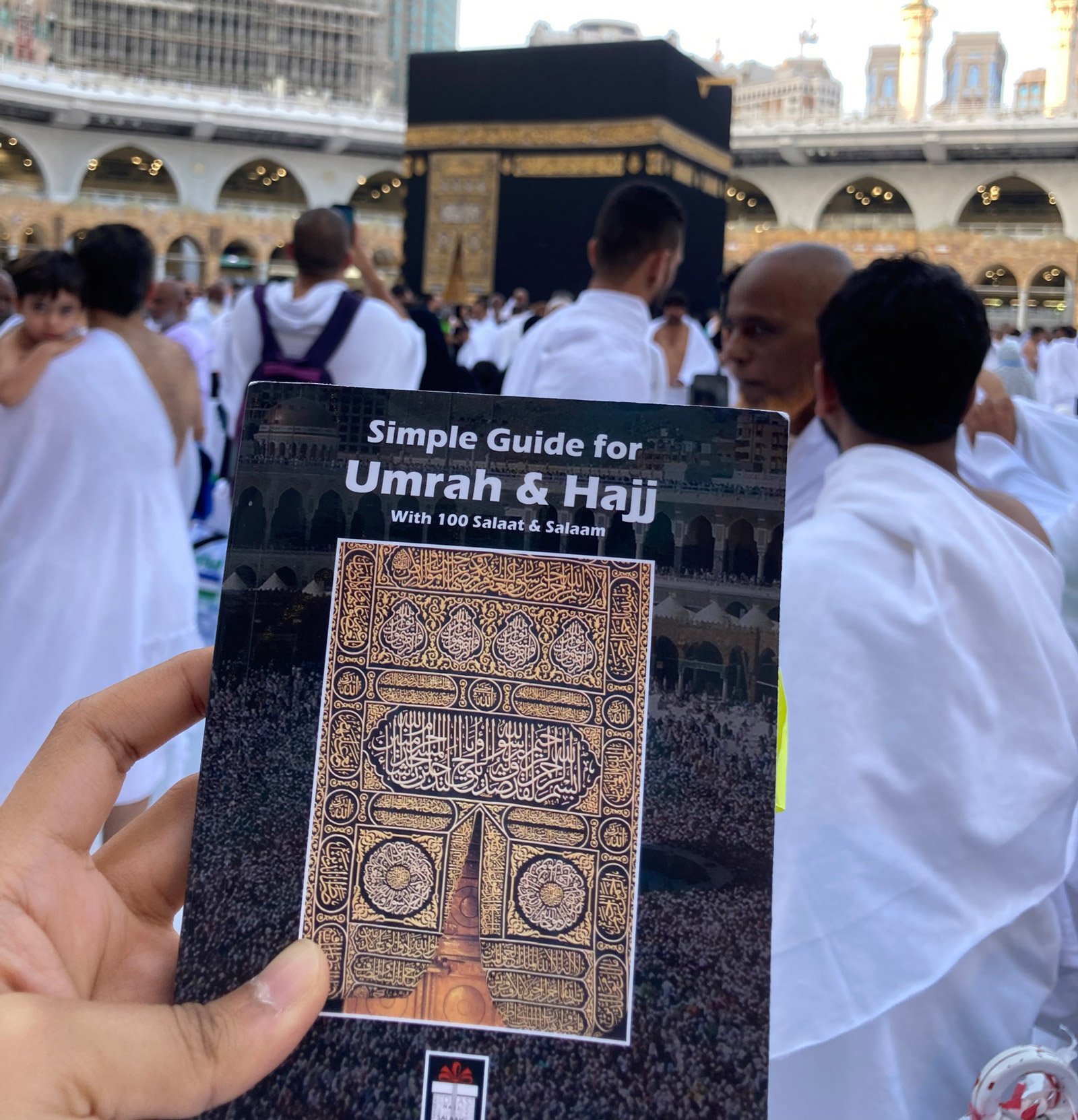
Almost everyone who has performed Umrah will tell you the same thing when you ask about their first sight of the Kaaba. They will pause. They might tear up a little. And they will say something like — “I cannot explain it. You just have to experience it for yourself.”
That is not just something people say. It is genuinely accurate. The emotional impact of seeing the Kaaba for the first time is something that no amount of preparation, no video, no photograph, can fully prepare you for. People who consider themselves relatively composed find themselves overwhelmed. People who were not expecting to cry cannot stop.
Knowing this in advance does not diminish the experience — it actually helps. Because if you walk into the Masjid al-Haram for the first time already slightly emotional, knowing that this is completely normal and that thousands of people around you are feeling something similar, you can let yourself experience it properly rather than feeling confused or embarrassed by the strength of your own reaction.
Choosing the Right Package Changes Everything
Here is something practical that first-timers often only understand after the fact. The difference between a well-organised package and a poorly organised one is not just about comfort. It is about how much mental energy you have left for the actual purpose of the journey.
When ground transfers are reliable, when your hotel is genuinely close to the Haram, when your visa was handled properly and your documentation is in order — you arrive in Makkah with a clear head. You can focus entirely on ibadah from the moment you land.
When those things go wrong — when your transfer does not show up, when your hotel turns out to be thirty-five minutes from the Haram rather than the “walking distance” you were promised — the frustration and exhaustion eat into days that you cannot get back.
This is why choosing the right agent matters as much as any other part of the preparation. Aqdas Travel is one of the UK’s ATOL-licensed Umrah specialists that understands what British pilgrims actually need — not just the logistics, but the peace of mind that allows you to focus on why you came. If you are comparing options, browsing Umrah packages from the UK from a provider with genuine experience is a sensible starting point before you make any decisions.
The Physical Demands Are Real — Even for Younger Pilgrims
Umrah is not a passive experience. You will walk. A lot. The tawaf alone — seven circuits around the Kaaba — covers more distance than most people realise, and that is before you factor in the sa’i between Safa and Marwa, the walk from your hotel, and the general movement involved in spending long periods in and around the Masjid.
First-time pilgrims in their twenties and thirties sometimes underestimate this. They assume that because they are fit and active at home, the physical side of Umrah will not challenge them. Then they arrive, discover that they are doing all of this in heat they are not accustomed to, in a state of spiritual focus that means they are not pacing themselves the way they would in a gym, and their body responds accordingly.
Wear comfortable, broken-in footwear before you travel. Not new sandals you bought specifically for the trip. Drink water consistently throughout the day even when you do not feel thirsty — the climate in the Hejaz region pulls moisture out of you faster than most UK residents are used to. And give yourself permission to rest when your body needs it. The masjid is not going anywhere.
Mobile Data and Staying Connected
This one surprises people more than it probably should. UK SIM cards do not work in Saudi Arabia the way you might expect, and roaming charges can be significant if you are not careful.
The practical solution most experienced pilgrims recommend is picking up a local Saudi SIM card on arrival — they are available at the airport and in shops near the Haram. A local data plan is inexpensive and keeps you connected for maps, translation tools, and staying in touch with family back home without the anxiety of a roaming bill waiting for you when you land back in the UK.
Having offline content downloaded before you travel is also worth doing. Offline Haram maps, downloaded Quran apps, step-by-step ritual guides saved to your device — these mean you are not dependent on a reliable data connection at moments when you would rather be focused on worship than troubleshooting your phone settings.
Ramadan Umrah Is Extraordinary — But Come Prepared
Performing Umrah during Ramadan is a profound experience. The atmosphere inside the Masjid al-Haram during the last ten nights is something that genuinely defies description. Millions of people, unified in worship, in one of the holiest places on earth — it is unlike anything else.
It is also the busiest, most physically demanding, most logistically complex time to travel. The crowds during Ramadan reach their absolute peak. Queue times for certain areas of the Masjid extend significantly. The combination of fasting and physical activity in heat is genuinely taxing, even for people who fast comfortably at home in the UK.
None of this is a reason to avoid Ramadan Umrah. Many pilgrims say it is the only time they want to go. But going in with an accurate expectation of what you are taking on — physically, logistically, and emotionally — means you can prepare properly rather than being blindsided by the reality.
The Journey Stays With You Long After You Return
First-time pilgrims often talk about a specific feeling in the days after they return home. The UK looks the same. Their home is the same. But something internal has shifted in a way that is difficult to articulate and does not simply fade with time.
That is, perhaps, the most important thing nobody tells you about your first Umrah. The journey does not end when your flight lands back in Manchester or Heathrow or Birmingham. It continues in the way you carry the experience with you — in the perspective it gives you, in the connection to your faith it deepens, and in the quiet certainty of most people who have been that they will, eventually, find a way to go back.