
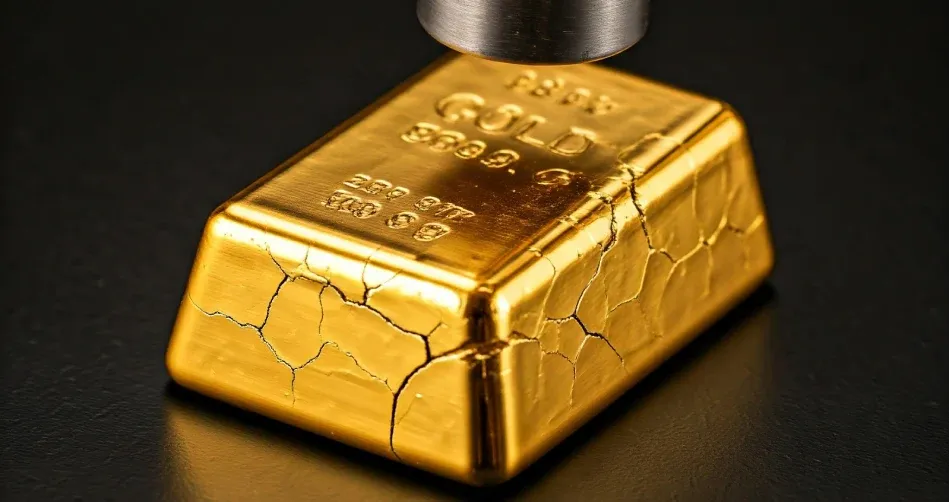
Gold has fascinated humanity for thousands of years. From ancient civilizations to modern economies, this precious metal has symbolized wealth, power, and stability. During historic gold rushes in the nineteenth century, thousands of people traveled across continents searching for gold deposits that promised fortune and opportunity. While the excitement of gold discoveries often captured public attention, an important scientific property of gold was rarely discussed: hardness. Understanding the hardness of gold and how it affects durability is essential for miners, jewelers, investors, and collectors who want to appreciate the true value and usefulness of this metal.
Gold’s softness compared with many other metals has played a major role in how it is used and preserved throughout history. The relationship between hardness and durability helps explain why gold objects last for centuries, why pure gold is rarely used alone in jewelry, and why the gold discovered during famous gold rushes remains so valuable today.
The Nature of Gold as a Metal
Gold is one of the most unique metals found in nature. It has a distinctive yellow color, exceptional resistance to corrosion, and remarkable malleability. Malleability refers to the ability of a metal to be shaped or hammered into thin sheets without breaking. Gold is so malleable that a single gram can be flattened into a sheet covering a large surface area.
However, this malleability also means that pure gold is relatively soft compared to many other metals. Scientists measure hardness using scales such as the Mohs hardness scale, which ranks minerals from softest to hardest. Pure gold ranks between 2.5 and 3 on this scale, meaning it is softer than many commonly used metals.
Because gold is soft, it can easily bend or scratch when subjected to pressure or friction. This characteristic has important implications for durability, especially when gold is used in objects that experience daily wear and tear. Understanding this softness helps explain why jewelers and manufacturers rarely use pure gold by itself.
The Historical Context of Gold Rush Discoveries
The concept of “Gold Rush hardness” can be better understood by looking at historical gold discoveries. During events such as the California Gold Rush, thousands of miners rushed to newly discovered gold fields hoping to find nuggets and deposits. Similar events occurred in other parts of the world, including Australia, Canada, and South Africa.
The gold discovered during these rushes often appeared as nuggets, flakes, or dust within riverbeds and rock formations. Because gold is relatively soft, natural forces like water and erosion could shape and smooth these pieces over time. This is why many gold nuggets found in rivers appear rounded rather than sharp or jagged.
The softness of gold also made it easier for early miners to work with simple tools. Unlike harder metals that require heavy machinery, gold could often be separated from sand and gravel using basic techniques such as panning. The metal’s density allowed it to sink while lighter materials washed away.
This combination of softness and density made gold easier to extract than many other valuable minerals, which helped fuel the excitement of historic gold rushes.
Hardness Versus Durability
At first glance, softness might seem like a disadvantage. However, durability is not determined by hardness alone. Durability refers to a material’s ability to withstand wear, corrosion, and environmental damage over time. Gold’s durability comes from several other properties that make it extremely stable.
One of the most important characteristics of gold is its resistance to chemical reactions. Unlike iron, gold does not rust or corrode when exposed to air or water. This resistance explains why ancient gold artifacts discovered in archaeological sites often remain in excellent condition even after thousands of years.
For example, ancient gold objects found in Egyptian tombs still maintain their shine and structure today. The civilization of Ancient Egypt used gold extensively in jewelry, ceremonial objects, and royal burial items because it symbolized immortality and divine power.
Gold’s resistance to corrosion means that even though it is soft, it can survive for extremely long periods without breaking down chemically. This combination of softness and stability makes gold unique among metals.
Why Gold Is Often Mixed with Other Metals
To improve durability, gold is often combined with other metals in a process known as alloying. When gold is mixed with metals such as copper, silver, or nickel, the resulting alloy becomes harder and more resistant to scratches.
Jewelry is commonly described using karats, which indicate how much pure gold is present in the alloy. For example, 24-karat gold is pure gold, while 18-karat gold contains 75 percent gold and 25 percent other metals. Lower karat numbers generally indicate stronger and more durable alloys.
Alloying helps create jewelry that can withstand daily use while still maintaining the beauty and value of gold. Without this process, pure gold rings, bracelets, and necklaces would easily bend or lose their shape over time.
The practice of alloying gold has been used for centuries by craftsmen in many cultures. Ancient artisans understood through experience that combining metals could strengthen their creations without reducing the precious nature of gold.
Gold Hardness in Coins and Currency
Hardness has also played a significant role in the history of gold coins. When gold was widely used as currency, governments needed coins that could survive frequent handling and circulation. Pure gold coins would wear down quickly, losing weight and value over time.
To solve this problem, many countries produced coins using gold alloys that were harder and more durable. For instance, the famous Double Eagle Gold Coin contained a mixture of gold and copper to improve strength.
By increasing hardness through alloying, governments ensured that coins remained stable in weight and appearance even after years of use. This approach protected both the integrity of the currency system and the confidence of the public.
Collectors today often admire historic gold coins not only for their economic value but also for the craftsmanship and metallurgy involved in their production.
The Importance of Hardness for Modern Applications
Today, gold continues to be valuable not only for jewelry and investment but also for modern technology. The metal’s conductivity and resistance to corrosion make it ideal for electronic components used in computers, smartphones, and medical equipment.
Even in these modern applications, hardness remains an important consideration. Engineers must balance the softness of gold with the need for durable components that can withstand physical stress. In some cases, thin layers of gold are applied to other metals to provide conductivity while maintaining structural strength.
The growing use of gold in technology demonstrates that its unique properties remain highly relevant in the modern world. Hardness may be a limitation in some situations, but the metal’s other advantages often outweigh this weakness.
Lessons from the Gold Rush Era
The history of gold rushes shows how physical properties can influence economic and social events. Because gold was relatively soft and easy to separate from surrounding materials, miners with limited tools could still participate in the search for wealth.
Regions such as California experienced dramatic population growth during gold rush periods, as people traveled from around the world hoping to find valuable deposits. Entire towns and industries developed around the extraction and processing of gold.
These historical events remind us that the characteristics of natural resources can shape human history in unexpected ways. Gold’s softness, density, and chemical stability all contributed to its role in one of the most famous economic migrations in history.
Why Understanding Gold Hardness Matters
Understanding gold hardness helps people appreciate why this metal has remained valuable for so long. Hardness influences how gold is mined, shaped, and used in various applications. It explains why pure gold objects require careful handling and why alloys are necessary for everyday items.
For investors and collectors, knowledge of gold hardness also helps in evaluating the condition and durability of gold artifacts. Items made with higher gold purity may require more protection, while alloyed gold objects often show greater resistance to wear.
In the end, gold’s enduring appeal lies in the balance between softness and stability. While it may not be the hardest metal, its resistance to corrosion, beauty, and rarity make it one of the most treasured materials on Earth. By understanding the role of hardness, we gain a deeper appreciation for the science behind gold and the historical events that turned it into a symbol of wealth and durability across civilizations.