
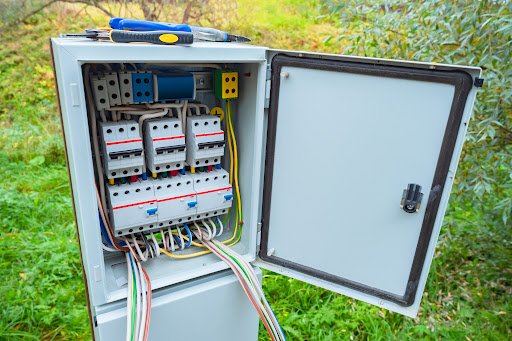
Electrical wiring systems are designed to deliver power safely and efficiently, but the conditions in which they operate vary significantly depending on whether they are installed indoors or outdoors. Indoor wiring is protected from environmental exposure and focuses on supporting everyday appliances and lighting. Outdoor wiring, by contrast, must withstand weather, moisture, temperature changes, and physical stress while supplying power to exterior fixtures and equipment.
Because of these differences, indoor and outdoor electrical wiring systems are constructed, insulated, and regulated in distinct ways. Understanding how these systems compare helps clarify why materials, installation methods, and protective measures differ between interior and exterior electrical networks.
Purpose and Functional Differences
Indoor wiring systems are primarily designed to supply electricity to lighting, outlets, and appliances within enclosed spaces. These systems support daily activities such as cooking, heating, cooling, and entertainment. The focus of indoor wiring is stable power distribution within controlled environmental conditions, where temperature and humidity remain relatively consistent.
Outdoor wiring systems serve a different functional role. They provide power to exterior lighting, security systems, garden equipment, garages, and outdoor appliances, which are commonly installed by professionals such as Edison Electric, Inc. to ensure dependable performance. In many cases, outdoor wiring must travel longer distances and pass through walls or underground pathways before reaching its destination. The system must function reliably despite exposure to rain, wind, dust, and temperature extremes.
This difference in purpose shapes how each system is designed. Indoor wiring emphasizes flexibility and accessibility, while outdoor wiring prioritizes durability and resistance to environmental stress. These functional demands influence the choice of materials, routing methods, and safety requirements used in each type of system.
Materials and Insulation Standards
The materials used in indoor wiring systems are typically optimized for controlled environments. Copper or aluminum conductors are coated with insulation that protects against heat and minor abrasion. Common insulation types are intended to resist moderate temperatures and normal household wear, such as contact with walls, ceilings, and fixtures.
Outdoor wiring systems require heavier-duty materials. The insulation must be thicker and more robust to prevent degradation caused by ultraviolet radiation, moisture, and temperature changes. Outdoor-rated cables are often designed with additional layers that repel water and resist cracking under cold or hot conditions. Some cables include a protective jacket that shields the internal conductors from mechanical damage.
These differences in insulation standards reflect the environments in which the wiring operates. Indoor insulation mainly prevents short circuits and heat buildup, while outdoor insulation must also guard against corrosion, swelling, and physical impact. As a result, outdoor wiring materials tend to be more rigid and resilient than their indoor counterparts.
Environmental Exposure and Protection
Indoor electrical wiring benefits from the protection of walls, ceilings, and floors. Once installed, it is largely shielded from direct contact with water, sunlight, and extreme temperatures. This controlled environment allows the wiring to maintain consistent performance over long periods with minimal external interference.
Outdoor wiring, on the other hand, is continuously exposed to environmental elements. Rain and humidity can introduce moisture into cables and junction points. Sunlight can degrade insulation over time through ultraviolet exposure. Wind and shifting soil can place mechanical stress on wiring, especially when it is installed above ground or buried underground.
To address these challenges, outdoor systems incorporate protective features such as weatherproof conduits, sealed junction boxes, and specialized fittings. These components create barriers that prevent water and debris from entering the wiring system. The contrast between indoor and outdoor exposure highlights why outdoor wiring requires additional layers of defense to maintain electrical integrity.
Installation Methods and Routing
Indoor wiring is typically routed through walls, ceilings, and floors using structured pathways. Cables are secured to framing members and protected by building materials. This method keeps wiring out of sight and minimizes the risk of accidental contact or damage. Junction boxes and outlets are placed in accessible locations to allow for connection and maintenance.
Outdoor wiring installation involves more complex routing. Cables may run along exterior walls, through underground trenches, or across open spaces to reach detached structures. These routes must account for soil movement, moisture levels, and physical obstacles. Underground installations often require burial at specific depths to prevent damage from surface activity.
The difference in routing reflects the environments in which the wiring operates. Indoor systems prioritize neat integration into building structures, while outdoor systems must navigate open and unpredictable terrain. Each method is tailored to ensure the wiring remains secure and functional under its respective conditions.
Safety Requirements and Code Considerations
Safety standards for indoor wiring focus on preventing fire hazards and electrical shocks within living spaces. These systems must meet regulations governing conductor size, circuit load, and insulation type. Protective devices such as circuit breakers and grounding systems help manage electrical flow and reduce the risk of faults.
Outdoor wiring systems are subject to additional safety requirements due to increased exposure risks. Regulations often specify the use of ground-fault protection and weather-resistant components. Outdoor circuits are designed to minimize the danger posed by moisture, which can increase the likelihood of electrical leakage and short circuits.
These differing safety considerations reflect the unique hazards associated with each environment. Indoor wiring addresses risks related to enclosed spaces and appliance use, while outdoor wiring must account for environmental factors that could compromise electrical stability. The codes governing each system ensure that the wiring is suited to its operational context.
Durability and Lifespan
The lifespan of an electrical wiring system depends heavily on the conditions it faces. Indoor wiring, protected from weather and physical stress, often remains functional for decades. Its insulation experiences less degradation because it is not exposed to ultraviolet light or fluctuating temperatures. When properly installed, indoor wiring maintains consistent performance with relatively low wear.
Outdoor wiring generally experiences a shorter lifespan due to constant exposure to harsh conditions. Moisture can infiltrate poorly sealed connections, and temperature changes can cause insulation to expand and contract. Over time, these factors may weaken protective layers and reduce overall reliability.
Durability differences highlight why outdoor wiring is built with stronger materials and additional protection. While indoor systems rely on structural shielding provided by the building, outdoor systems must be self-protective to endure continuous environmental stress. This distinction influences maintenance schedules and replacement intervals for each type of wiring.
Applications and System Demands
Indoor wiring supports a wide range of household and commercial activities. It powers lighting systems, heating and cooling equipment, kitchen appliances, and electronic devices. These applications require stable voltage and carefully balanced circuits to prevent overloads and maintain efficiency.
Outdoor wiring is often dedicated to specific functions, such as landscape lighting, security cameras, irrigation controls, and detached garages or workshops. These systems may operate intermittently or continuously depending on their purpose. Outdoor circuits often need to handle variable loads while maintaining safety in wet or exposed conditions.
The contrast in applications underscores the different demands placed on each system. Indoor wiring must accommodate high-density usage within confined spaces, while outdoor wiring must remain reliable across open areas with fewer but more environmentally sensitive connections.
Maintenance and System Integrity
Indoor wiring systems are generally easier to inspect and maintain because they are accessible through outlets, panels, and fixtures. Problems often appear as localized issues affecting specific rooms or appliances. Repairs typically involve replacing damaged components or upgrading outdated sections of the system.
Outdoor wiring maintenance involves monitoring for signs of environmental damage, such as cracked insulation, corroded connectors, or water intrusion. Because much of the wiring may be buried or exposed to weather, issues can develop gradually and affect larger areas of the system. Detecting faults may require examining conduits, junction boxes, and connection points exposed to the elements.
These differences in maintenance reflect the environments in which the systems operate. Indoor wiring relies on stable structural protection, while outdoor wiring depends on continuous resistance to environmental forces. Maintaining system integrity requires attention to the distinct challenges faced by each type of wiring network.
Conclusion
Indoor and outdoor electrical wiring systems are designed with different priorities based on their operating environments. Indoor wiring emphasizes stable power delivery within enclosed spaces, using materials and routing methods suited to controlled conditions. Outdoor wiring, by contrast, focuses on durability and protection against weather, moisture, and physical stress while supplying electricity to exterior applications.
The distinctions in materials, installation practices, safety requirements, and durability illustrate why these systems cannot be treated as interchangeable. Each plays a critical role in delivering electrical power safely and reliably, reflecting the unique demands placed on wiring inside buildings versus those exposed to the outside world.