
When building or renovating a home, the materials used for your walls significantly affect durability, appearance, and overall value. Two of the most common wall finishes in residential and commercial properties are drywall and plaster. Though they serve the same purpose—providing smooth, paintable wall surfaces—they differ in installation, maintenance, texture, and performance.
Understanding the difference between drywall and plaster is essential whether you’re remodeling a historic property or installing walls in a newly constructed space. Each material offers its own benefits, challenges, and aesthetic appeal.
Professionals such as interior painters MN work with both types of finishes regularly and understand how to prepare and finish each for flawless, long-lasting results.
What Is Drywall?
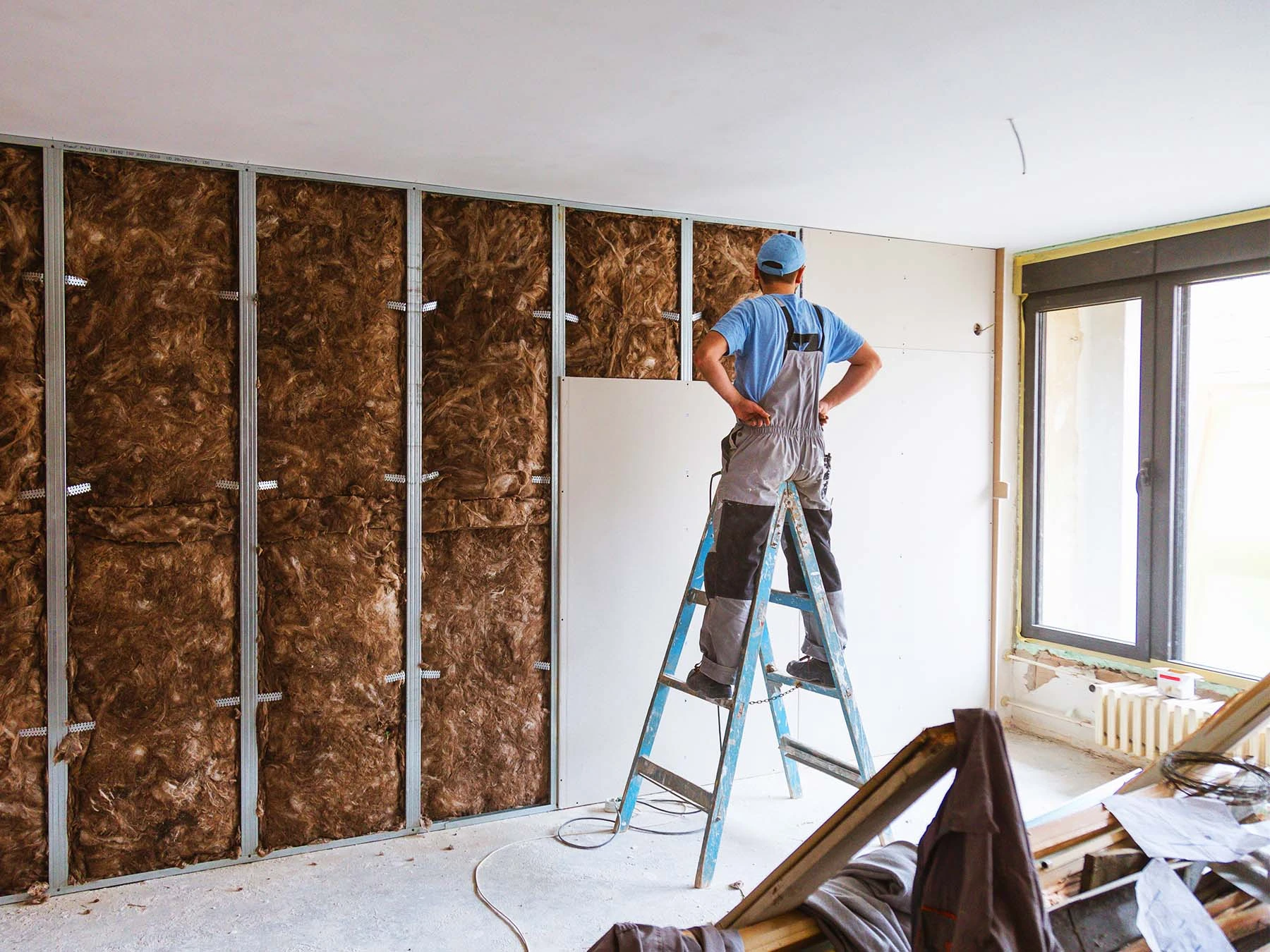
Drywall, also known as gypsum board or sheetrock, is a widely used construction material composed of a gypsum core sandwiched between two sheets of heavy paper. It is typically installed in large panels that are screwed or nailed to wall studs, then finished with joint tape and compound to create a smooth, seamless surface.
Drywall is known for its ease of installation, affordability, and repairability. It became the standard for interior wall construction in the U.S. after the 1950s, replacing labor-intensive plaster in most new builds. Its lightweight nature and standardized sizes make it a practical option for both residential and commercial interiors.
What Is Plaster?
Plaster is an older wall finishing method that involves applying a paste-like mixture (usually made from lime, cement, or gypsum) over a framework of wood or metal lath. It requires multiple coats—scratch, brown, and finish—and a high level of skill to apply and level correctly.
Plaster offers a dense, hard surface with a distinct character, often found in homes built before the mid-20th century. It’s commonly chosen for historic restorations or for achieving a unique, textured finish. While more time-consuming and costly than drywall, plaster is valued for its durability and sound insulation properties.
Key Differences in Installation
Drywall installation is relatively quick and consistent. Panels are cut to size, attached to framing, and seams are taped and mudded. A standard room can be drywalled in a day or two, depending on size and complexity. It’s ideal for time-sensitive projects or large developments where uniformity is preferred.
Plaster, by contrast, requires more steps, time, and labor. After attaching lath to the framing, multiple layers of plaster are applied by hand and must dry between coats. This process can take several days or even weeks. Because it requires a specialized skill set, plaster work is typically more expensive and less common in modern construction.
Appearance and Texture
Drywall provides a smooth, flat finish that’s ideal for modern, minimalist interiors. It serves as a neutral backdrop for painting, wallpaper, or decorative accents. Texture can be added through finishes like orange peel or knockdown, but it generally remains uniform and predictable.
Plaster walls, on the other hand, have a more organic, artisanal appearance. They can be finished smooth or textured, but even smooth plaster tends to show subtle trowel marks and variations that give it depth and character. This makes plaster ideal for custom or period-style interiors where visual richness is desired.
Durability and Maintenance
Plaster walls are harder and denser than drywall, making them more resistant to dings, scratches, and general wear. They also offer better fire resistance and sound insulation. However, when plaster does crack or get damaged, repairs are more complex and require matching the existing texture and materials.
Drywall is easier to damage with impact but is also much easier to patch and repaint. A hole or dent in drywall can be repaired quickly with joint compound and touch-up paint. This makes drywall more forgiving for households with children, pets, or high-traffic usage.
A professional like Home Drywall and painting service can restore both drywall and plaster surfaces seamlessly, ensuring a flawless finish regardless of the material.
Cost Considerations
Drywall is significantly more cost-effective than plaster, both in terms of materials and labor. Its simplicity and speed of installation reduce overall project costs. For builders or homeowners on a budget, drywall offers a clean, professional look without high overhead.
Plaster, while more expensive, delivers premium qualities in return—soundproofing, insulation, and a distinct high-end aesthetic. It’s a worthwhile investment for restoring historical homes or achieving a specific interior design goal, but it’s less practical for budget-conscious or large-scale projects.
Painting Compatibility
Both drywall and plaster accept paint well when properly prepped. Drywall must be primed to prevent paint absorption and to create a uniform surface. Plaster should also be primed, especially if it’s a new application or has been repaired.
Painting over plaster can sometimes require additional steps, such as sealing or patching hairline cracks. The surface must be completely dry and cured before applying paint. Professionals experienced with both materials will assess the condition of the surface before beginning and recommend the appropriate paint type and technique.
Conclusion
Drywall and plaster each offer unique benefits depending on the goals, budget, and style of a project. Drywall is the modern go-to for speed, affordability, and consistency, while plaster offers timeless appeal, strength, and texture ideal for luxury or restoration-focused designs. Understanding the differences helps homeowners and builders make informed decisions based on function and form.
Whether you’re repairing a classic plaster wall or installing brand-new drywall panels, working with skilled contractors ensures a flawless finish. The team at Home Drywall and Painting Service combines technical knowledge with attention to detail—delivering exceptional results on every surface they touch.