
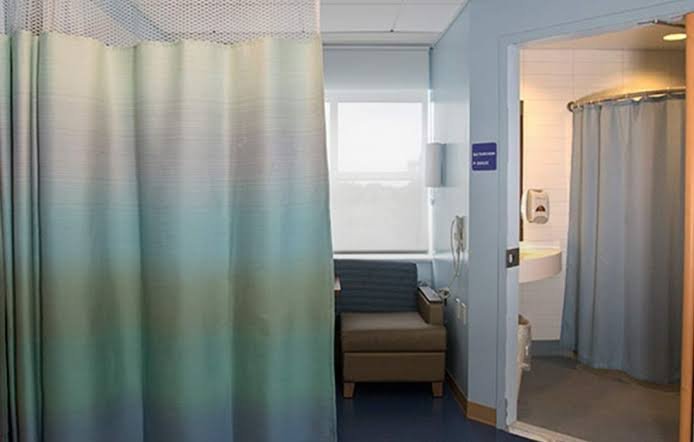
The Hidden Infection Risk in Hospital Curtains
Hospital administrators and infection control teams face a major challenge every day: the time it takes to replace traditional curtains, the high cost of cleaning, and the risk of staff falling from ladders. In a hospital environment where millions are invested annually spent on hand hygiene, these curtains are often overlooked despite being the most touched surface. Every time a nurse or doctor pulls these curtains after seeing a patient, germs are transferred from one place to another.
Fortunately, healthcare procurement teams now have a revolutionary solution to this problem. Using Hookless Shower Curtains not only saves time but also eliminates the risk of cross-contamination. This article will tell you how a small change in curtain design can make the entire hospital cleaning system safer and faster.
Understanding Hospital-Acquired Infections (HAIs) and Surface Transmission
Hospital-acquired infections (HAIs) are a major threat to the reputation of any healthcare facility and the lives of patients. According to data from the World Health Organization (WHO) and the CDC, more than 20 percent of hospital infections are spread through contaminated surfaces and clothing. When a surface is touched with germ-laden hands, those bacteria are transferred to other patients.
Hospital drapes provide the easiest place for these deadly germs to thrive:
- Staff and patients make hundreds of contact points with these drapes every single day
- Traditional drapes allow germs to survive for weeks, not just hours
- Difficult cleaning procedures make timely changeouts impossible, driving up infection rates
Why Privacy Curtains Are an Overlooked Contamination Point
Medical research (such as AJIC reports) proves that the part of the drapes that is pulled by hand is where the most resistant bacteria like MRSA and C. diff are found. Since removing traditional drapes is a lengthy process, staff often neglect their cleaning schedule, making these drapes a hotbed of germs within the hospital.
What Are Hookless Shower Curtains and How Do They Differ from Traditional Systems
Modern Hookless Shower Curtains designed for hospitals are mechanically and biologically completely different from traditional curtains. Traditional curtains use separate metal or plastic hooks and rings that connect to the ceiling track. In contrast, modern hookless systems have the rings attached to the curtain fabric itself.
This unique design plays a key role in infection control:
- This design eliminates all the tiny cracks and holes where moisture and germs can accumulate
- The absence of metal hooks removes the risk of rust and biofilm formation
- This approach is setting a new standard in the healthcare industry, one that makes cleaning easier
Medical staff can now ensure curtain changes in the shortest possible time with the help of modern hookless shower curtain systems.
The Role of Curtain Hardware in Bacterial Harborage
The holes and hooks in traditional curtains are hiding places for germs. When steam or moisture from the shower settles on these hooks, a layer forms that is impossible to clean with ordinary disinfectant sprays. The hookless ring design eliminates this surface, giving germs no opportunity to grow.
How Hookless Design Supports Infection Control Protocols
The success of infection control protocols depends on how easy it is for staff to do their job. Hookless design speeds up the work of Environmental Services (EVS) staff so much that the rate of curtain changeout automatically increases. When staff don’t have to work hard to change curtains, they adhere to strict cleaning schedules.
Minimal hand use directly reduces the risk of cross-contamination. According to World Health Organization (WHO) guidelines, the less contact staff have with contaminated objects, the less likely they are to spread infection. That’s why hospital shower curtain systems designed for faster changeout are becoming a top priority for healthcare facilities.
Reducing Staff Contact Time and Cross-Contamination Risk
To change traditional curtains, staff must climb a ladder and touch each hook, which exposes germs to their clothes and hands. This modern system works without a ladder and with minimal contact. Staff separate the curtains while standing on the ground, which ensures their safety and does not spread germs.
Enabling More Frequent Curtain Changeouts
It is clear from the healthcare literature that simply using antimicrobial fabrics is not enough, but changing the drapes frequently is the real solution. If the drape change process is slow, germs will continue to accumulate. The hookless design makes this process a matter of seconds, enabling 100% implementation of hospital protocols.
Compliance Benefits: Meeting Healthcare and Regulatory Standards
Passing audits by The Joint Commission (TJC) and CMS is paramount for hospital management. The “Environment of Care” standard is not compromised during audits. If curtains are dirty or there is no record of their replacement, the hospital can face hefty fines.
These systems fit easily into standard operating procedures (SOPs). They make it extremely easy to maintain records of cleanliness and demonstrate compliance to audit teams. Hospitals are now securing their audit process by adopting hospital shower curtain systems built for compliance tracking.
Hookless Curtains vs. Traditional Curtains: A Practical Comparison
Comparing the two systems, it is clear that in traditional hook systems, it takes 15 to 20 minutes to change the curtain and the use of a ladder is mandatory, while in the hookless ring design, this task is done in less than a minute without a ladder.
In terms of germ hiding, traditional systems have a lot of empty spaces between the hooks and the track where bacteria accumulate, while in the modern hookless design, there is no place for germs due to the integrated rings. In terms of staff safety, in the traditional system, there is a risk of falling from the ladder and prolonged contact with contaminated clothing, while the hookless design provides a safe, easy and fast workflow for staff, which also significantly reduces hospital costs.
Where Hookless Systems Fit Across Healthcare Settings
The need for infection control is not limited to the ICUs of large hospitals. Germs are present everywhere patients come, so the effectiveness of these curtains is the same throughout the healthcare network. From emergency clinics to outpatient departments, the use of healthcare shower curtains should be mandatory everywhere to protect patients.
Long-Term Care and Skilled Nursing Facilities
Elderly patients living in nursing homes and long-term care facilities have very low immunity. Germs can quickly cause life-threatening diseases there. At the same time, these facilities also face a shortage of staff. In such a situation, a system that can be changed in seconds saves staff time and protects patients from infection.
What Healthcare Facility Managers Should Look for in a Hookless System
As a healthcare facility manager, there are some important technical considerations you should keep in mind when purchasing a new system. The first is that the new design should fit into the hospital’s existing ceiling tracks without any additional expense to keep the budget low.
The second is that the system should have the flexibility to use both disposable and fabric curtains, and that it should comply with hospital audit protocols. When you review all these features, you will realize that you can explore how On the Right Track Hookless Shower Curtains meet these criteria because this innovative patented technology meets all these medical and regulatory standards.
Conclusion: Making an Infection Control Simpler with the Right Curtain System
Improving infection control within a hospital is all about making small, continuous changes. Paying attention to high-touch surfaces like curtains and replacing their outdated hook systems with modern technology is a step that has an immediate and tangible impact on patient health and hospital cleanliness.
It is time to ditch the old, time-consuming hook systems and embrace modern designs to free your hospital from cross-contamination. For more information, visit Learn more about The Hookless Revolution by On the Right Track and see how this revolutionary step can take your EVS workflow and cleaning standards to a new and safer level.
Frequently Asked Questions
1. Do hookless shower curtains actually reduce hospital infection rates?
Yes, this design removes all obstacles in the way of cleaning. When curtains are easy to change, staff change curtains on a schedule, which prevents germs from accumulating. Clinical research has shown that improved cleaning rates lead to a significant reduction in hospital-acquired infections (HAIs).
2. How often should hospital privacy curtains be changed for infection control?
According to medical rules, if any stain or contamination is found on the curtain, it must be changed immediately. In addition, in ICU and isolation rooms, the curtain must be changed upon discharge of every patient. In general wards, the curtains are changed under a fixed cleaning schedule.
3. Are hookless curtain systems compatible with existing hospital ceiling tracks?
Yes, standard hookless curtains are engineered to fit easily with existing hospital ceiling tracks. Their unique split ring design eliminates the need for costly structural alterations or new tracks.
4. What is the difference between disposable and textile hospital curtains?
Disposable curtains are made of materials that are recycled or disposed of directly after infection rather than washed, making them ideal for high-risk wards. Textile curtains are made of washable fabrics that can be used for a long time after repeated laundering.
5. Who is responsible for curtain changeout compliance in a hospital?
It has a dual responsibility within the hospital. At the operational level, the Environmental Services (EVS) department is responsible for changing and installing curtains. While the Infection Prevention and Control (IPC) team is responsible for monitoring, auditing, and quality checking the entire process.