
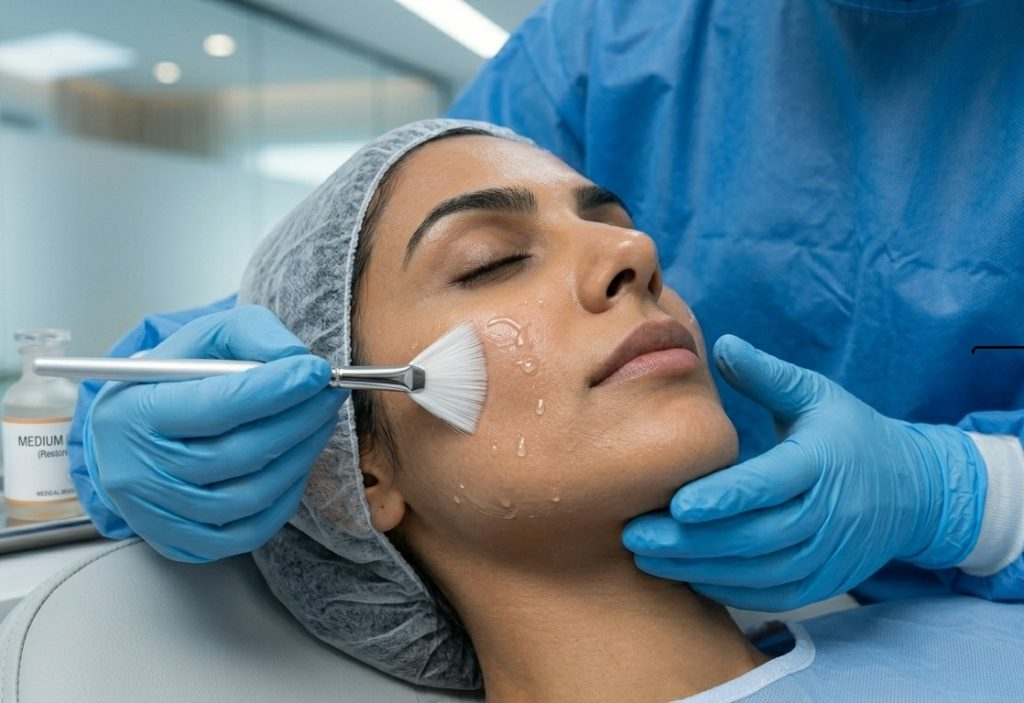
In the ever-evolving world of skincare, few treatments have stood the test of time quite like chemical peels. From the ancient Egyptians who used sour milk and fruit acids to rejuvenate their skin, to the sophisticated formulations used in modern dermatology clinics, chemical peels remain one of the most popular and effective cosmetic procedures available today.
A chemical peel involves the application of a carefully formulated acid solution to the skin, which causes the outer layers to exfoliate and eventually peel off. The result? A fresh, smoother, and more radiant layer of skin beneath. But before you book your first appointment — or decide to try an at-home peel — it is essential to understand the benefits, the important considerations, and the critical aftercare steps that will determine your results.
Understanding the Types of Chemical Peels
chemical peels for skin are not one-size-fits-all. They are categorized by the depth of penetration into the skin, and each type serves different purposes.
1. Superficial (Light) Peels
These use mild acids such as alpha-hydroxy acids (AHAs) like glycolic acid or lactic acid. They gently exfoliate the outermost layer of the epidermis and are ideal for treating mild skin discoloration, rough texture, and fine lines. Recovery time is minimal, often described as a “lunchtime peel.”
2. Medium Peels
Medium-depth peels typically use trichloroacetic acid (TCA) or higher concentrations of glycolic acid. They penetrate the outer and middle layers of skin to address age spots, moderate wrinkles, freckles, and uneven pigmentation. Downtime is more significant, usually lasting about one to two weeks.
3. Deep Peels
The most intensive option, deep peels use phenol or high-concentration TCA to reach the deeper layers of the dermis. They are reserved for severe wrinkles, deep scars, and significant sun damage. Recovery can take several weeks, and the procedure is usually performed only once due to its intensity.
The Benefits of Chemical Peels
Chemical peels offer a wide array of skin-transforming benefits, which is precisely why they continue to be a staple in both clinical and at-home skincare routines.
✦ Improved Skin Texture and Tone
One of the most immediate benefits is the dramatic improvement in skin smoothness. By removing dead, damaged skin cells, peels reveal the softer, more even-toned skin underneath. Over time, regular peels can significantly refine pore appearance and create a more uniform complexion.
✦ Reduction of Fine Lines and Wrinkles
Chemical peels stimulate collagen production in the deeper layers of the skin. Collagen is the structural protein responsible for skin firmness and elasticity. As new collagen forms, fine lines and wrinkles become less visible, giving the skin a more youthful appearance.
✦ Treatment of Hyperpigmentation and Dark Spots
Whether caused by sun exposure, hormonal changes (melasma), or post-inflammatory hyperpigmentation from acne, dark spots can be stubborn. Chemical peels accelerate cell turnover, helping to fade discoloration and even out skin tone over a series of treatments.
✦ Acne and Acne Scar Management
Salicylic acid peels, in particular, are highly effective for acne-prone skin. They penetrate oil-filled pores, reduce inflammation, and help prevent future breakouts. For those dealing with acne scars, medium-depth peels can smooth out pitted or textured scarring over time.
✦ Enhanced Product Absorption
After a chemical peel, your skin is more receptive to topical treatments. Serums, moisturizers, and active ingredients like vitamin C and retinol can penetrate more deeply and work more effectively on freshly exfoliated skin.
✦ Boosted Confidence
Beyond the physical results, many people report a significant boost in self-esteem after undergoing chemical peel treatments. Clearer, smoother, and more radiant skin can profoundly impact how you feel about your appearance.
Important Considerations Before Getting a Chemical Peel
While the benefits are compelling, chemical peels are not without risks. Careful consideration and preparation are key to a safe and successful experience.
1. Skin Type and Tone Matter
Not all peels are suitable for every skin type. Individuals with darker skin tones (Fitzpatrick skin types IV–VI) are at a higher risk of post-inflammatory hyperpigmentation after medium or deep peels. It is crucial to consult with a board-certified dermatologist or licensed aesthetician who has experience treating diverse skin tones.
2. Medical History and Medications
Certain medical conditions and medications can increase the risk of complications. Inform your provider if you:
Are currently using isotretinoin (Accutane) or have used it within the past six months
Have a history of keloid scarring
Are pregnant or breastfeeding
Have active cold sores or a history of herpes simplex virus (peels can trigger outbreaks)
Have a compromised immune system or active skin infections
3. Sun Exposure
Excessive sun exposure before a peel can increase the risk of complications, including uneven pigmentation and prolonged healing. It is recommended to avoid prolonged sun exposure and tanning beds for at least two to four weeks prior to your treatment.
4. Realistic Expectations
A single chemical peel can produce noticeable results, but optimal outcomes often require a series of treatments spaced several weeks apart. Deep wrinkles, severe scarring, and significant sun damage may require multiple sessions or a combination of treatments for the best results.
5. Professional vs. At-Home Peels
Over-the-counter chemical peels have become increasingly popular, but they come with limitations. At-home peels are generally much milder and safer for self-application, but they cannot replicate the results of a professional-grade treatment. Attempting to use high-concentration acids at home without proper training can lead to chemical burns, scarring, and permanent discoloration. When in doubt, leave it to the professionals.
6. Cost and Commitment
Chemical peel costs vary widely depending on the type, provider, and geographic location. Superficial peels may range from $100 to $300 per session, while deep peels can cost $2,500 or more. Factor in the cost of multiple sessions and post-treatment skincare products when budgeting for your peel journey.
Aftercare: The Key to Stunning Results
The success of a chemical peel doesn’t end when you leave the clinic. In fact, the aftercare phase is arguably the most critical part of the entire process. How you treat your skin in the days and weeks following your peel will directly influence your results and your risk of complications.
The First 24–48 Hours
Do not wash your face for the period recommended by your provider (typically 4–12 hours post-peel).
Apply a gentle, fragrance-free moisturizer to soothe tightness and dryness.
Avoid touching, picking, or scratching the treated area.
Stay in a cool environment and avoid anything that causes excessive sweating, including exercise, saunas, and hot showers.
Days 2–7: The Peeling Phase
Your skin will begin to flake and peel. This is completely normal and expected. Do not pull or peel the skin manually, as this can cause scarring and hyperpigmentation.
Use a gentle, non-foaming cleanser and lukewarm water to wash your face.
Continue moisturizing frequently. Look for products containing hyaluronic acid, ceramides, or aloe vera to support the skin barrier.
Apply a broad-spectrum sunscreen with SPF 30 or higher every single day, even if you are indoors. Your skin will be extremely sensitive to UV rays during this period.
Weeks 2–4: Healing and Recovery
Gradually reintroduce your regular skincare routine, but avoid active ingredients such as retinoids, AHAs, BHAs, and vitamin C for at least two weeks or until your provider gives you the green light.
Continue diligent sun protection. Newly revealed skin is highly vulnerable to sun damage, and UV exposure during this phase can undo your results and cause dark spots.
Avoid waxing, laser treatments, and other exfoliating procedures on the treated area for at least four weeks.
Long-Term Maintenance
To maintain your results, consider scheduling maintenance peels every 4–6 weeks for superficial peels or as recommended by your provider for deeper treatments.
Adopt a consistent skincare routine that includes daily sunscreen, gentle cleansing, and regular moisturizing.
Stay hydrated, eat a nutrient-rich diet, and avoid smoking, all of which contribute to overall skin health and longevity of your results.
Potential Side Effects and When to Seek Help
Most side effects of chemical peels are mild and temporary, including:
Redness and irritation
Dryness and flaking
Mild swelling
Temporary darkening or lightening of the skin
However, you should contact your provider immediately if you experience:
Severe pain or burning that does not subside
Signs of infection (pus, increasing redness, fever)
Blistering or oozing
Unexpected or severe changes in skin pigmentation
Final Thoughts
Chemical peels are a powerful tool in the pursuit of healthier, more radiant skin. Whether you are looking to address fine lines, acne scars, hyperpigmentation, or simply want to refresh your complexion, there is likely a peel that is right for you. The key to a successful experience lies in choosing the right type of peel for your skin, working with a qualified professional, and committing to diligent aftercare.
Your skin is your body’s largest organ and your most visible one. Treat it with the care, patience, and respect it deserves — and a chemical peel may just be the transformative step your skincare journey has been waiting for.
Disclaimer: This article is for informational purposes only and does not constitute medical advice. Always consult with a qualified dermatologist or licensed skincare professional before undergoing any chemical peel treatment.
make article on this title ” Chemical Peels for Skin: Benefits, Considerations, and Aftercare”