
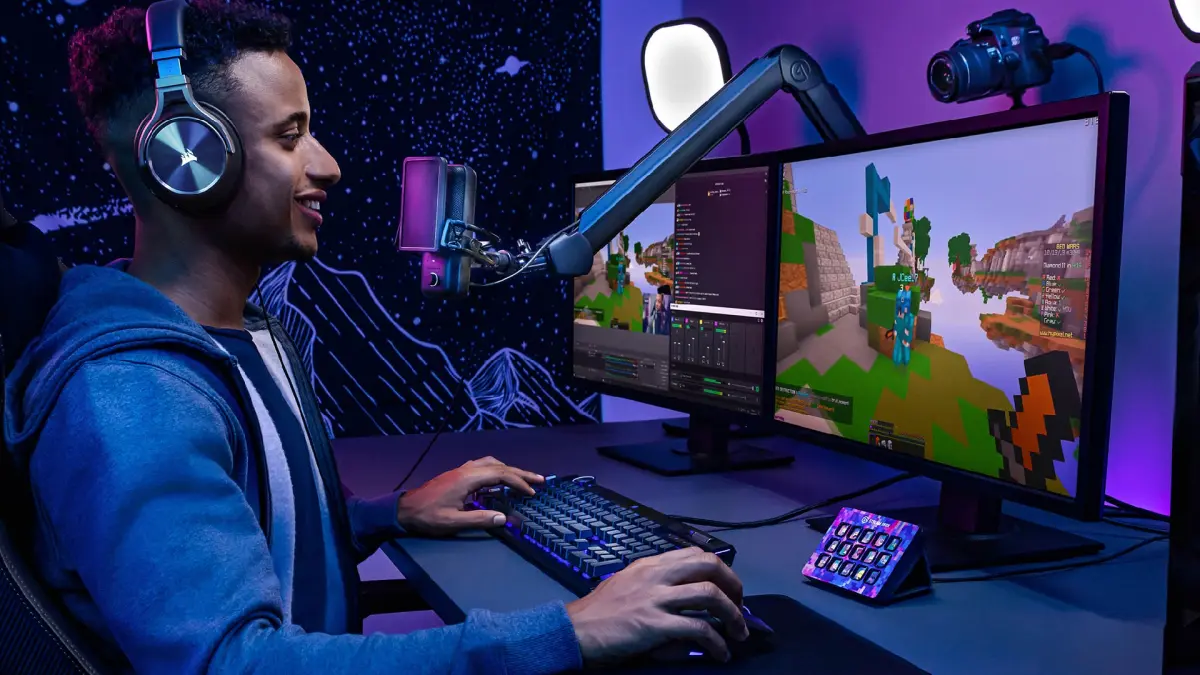
The digital services landscape is undergoing a quiet but profound transformation. What once felt like clearly separated worlds—streaming platforms for passive entertainment and video games for interactive play—are now blending into a single, interconnected ecosystem. This convergence is reshaping how people consume content, spend money, and engage with digital culture on a daily basis.
For digital magazine and news portals covering technology, lifestyle, and entertainment, this shift represents one of the most important trends of the current decade.
The Evolution of Digital Consumption
Streaming platforms initially gained popularity by offering convenience and choice. Users could watch what they wanted, when they wanted, without traditional schedules. Gaming followed a parallel path, moving from physical discs and offline play to always-connected digital ecosystems.
Over time, both industries adopted similar strategies:
- Subscription-based access replacing one-time purchases
- Cloud infrastructure enabling instant access across devices
- Data-driven personalization to keep users engaged longer
These shared foundations made convergence almost inevitable.
Interactivity as the Missing Link
One of the biggest differences between streaming and gaming was interactivity. Streaming was passive; gaming was active. Today, that line is increasingly blurred.
Modern digital services now include features such as:
- Live chats and reactions during streams
- Interactive polls and viewer-controlled content
- Gamified reward systems tied to engagement
Streaming platforms borrow mechanics from games, while games incorporate cinematic storytelling and episodic content inspired by series and films.
Gaming Platforms as Media Hubs
Video games are no longer just games. They have become full-fledged media platforms.
Many popular titles now offer:
- Live virtual events and concerts
- In-game broadcasts and branded content
- Social spaces where players interact beyond gameplay
For younger audiences especially, gaming environments function similarly to social networks and streaming apps combined. Players don’t just play—they watch, communicate, customize, and spend time in persistent digital worlds.
The Role of Creators and Influencers
Content creators sit at the center of this convergence. Streamers regularly move between platforms, hosting live gameplay sessions, reacting to shows, or collaborating with brands.
This creator-driven model encourages:
- Cross-platform consumption habits
- Stronger emotional connection with digital products
- Faster adoption of new services and features
As a result, gaming and streaming ecosystems reinforce each other rather than compete directly.
Monetization Models Are Converging Too
The blending of services is most visible in how digital platforms generate revenue. Traditional ads and subscriptions still matter, but they are increasingly complemented by microtransactions and virtual goods.
Common monetization elements now include:
- Cosmetic items and personalization options
- Season passes and premium access tiers
- Digital currencies usable within specific ecosystems
These models mirror each other across industries, normalizing the idea that users invest continuously in digital experiences rather than making single purchases.
Where Virtual Currency Fits In
As digital platforms mature, virtual currencies have become a core component of user engagement. They offer flexibility, speed, and a sense of ownership within digital environments.
In the context of gaming, especially sports titles like FC 26, coins function as a gateway to deeper participation—allowing players to build teams, unlock content, and stay competitive. This behavior closely resembles how users subscribe to premium streaming plans or pay for exclusive content, reinforcing the idea that digital value is no longer tied to physical products.
As digital services continue to blend, user spending habits increasingly reflect a preference for convenience and control. Just as viewers upgrade subscriptions or pay for exclusive streaming features, gamers invest in virtual currencies to enhance their experience. In competitive environments like FC 26, many players look for reliable ways to acquire in-game resources, which has made platforms offering FC 26 coins safely online a natural part of the broader digital economy discussion.
Cultural Impact of the Streaming–Gaming Convergence
Beyond technology and business, this convergence is reshaping culture itself. Entertainment is no longer consumed in isolated formats; it is experienced as an ongoing digital lifestyle.
This shift influences:
- How people socialize and form communities
- How brands communicate with younger audiences
- How trends move from niche to mainstream
Gaming references appear in movies and series, while streaming personalities shape gaming culture. The boundaries between fan, player, and viewer continue to dissolve.
What This Means for the Future
The blending of streaming and gaming services signals a future where digital platforms are defined less by format and more by experience. Users expect seamless transitions between watching, playing, interacting, and purchasing within unified ecosystems.
For media outlets, businesses, and digital creators, understanding this convergence is essential. It explains not only where attention is going, but also how digital value is created, shared, and monetized in an increasingly connected world.
As streaming becomes more interactive and gaming more cinematic, the distinction between the two may eventually disappear—leaving behind a new standard for digital entertainment that feels immersive, social, and always on.