
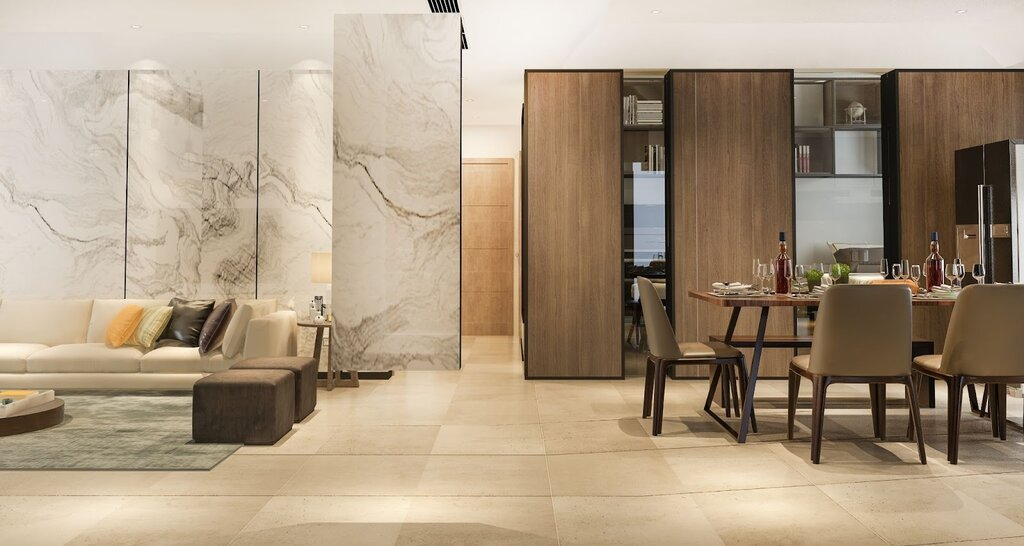
Here’s something most people miss: selecting the right flooring goes way beyond aesthetics. The indoor floor tiles you install today directly impact how your floors cope with everyday chaos, spills, foot traffic, and the endless cleaning cycles.
Grand View Research dropped some fascinating numbers in 2024: they’re projecting the global ceramic tiles market will hit USD 398.1 billion by 2030, expanding at 6.2% CAGR. That explosive growth tells you something important, homeowners worldwide are waking up to how tiles solve genuine flooring headaches. Each room brings its own set of challenges, and understanding what works prevents expensive regrets later.
Understanding Your Material Options
You need to know what each tile variety brings to the table before committing. Performance varies wildly depending on where you install them, so let’s dig into the specifics.
Why Porcelain Dominates High-Performance Needs
Porcelain packs a punch when it comes to longevity. The dense structure and extreme heat treatment during manufacturing create tiles that practically laugh at water damage. This makes them perfect for spaces where liquid disasters strike regularly, think bathrooms and kitchens.
The hardness factor means heavy traffic won’t leave wear marks as you’d see with gentler materials. Plus, you can find these in oversized formats that deliver clean, modern aesthetics with minimal grout interruption.
Ceramic Delivers Budget-Friendly Versatility
Working with tighter financial constraints when choosing floor tiles? Ceramic deserves your attention. Plenty of homeowners grab ceramic floor tiles from suppliers like TileBar for their sweet spot between cost and visual appeal. These perform beautifully in spaces with moderate activity, bedrooms, dining areas, home offices.
Installation becomes less intimidating because they’re lighter than their denser cousins. Sure, they’ll soak up marginally more moisture than porcelain, but seal them correctly and you’re looking at years of solid performance.
Natural Stone Brings Unique Character
Want something that manufactured tiles can’t duplicate? Stone options like marble, slate, and travertine deliver one-of-a-kind patterns. Every single tile showcases unique veining and color shifts that inject real personality into your floors.
The tradeoff? You’re signing up for extra maintenance, regular sealing, special cleaning products, and the works. Pricing tends to climb higher, yet that genuine luxury appearance draws people who refuse to compromise on elegance.
Matching Tiles to Specific Rooms
Your home’s different zones throw distinct curveballs at you, and certain tile types rise to those challenges better than others. Let’s explore finding the best tiles for living room spaces and everywhere else.
Creating Comfortable Living Spaces
Living rooms demand flooring that feels pleasant when you walk barefoot but still looks sophisticated when guests arrive. Oversized porcelain or wood-look tiles establish an expansive vibe without compromising on durability. Matte surfaces outperform glossy ones here, high-shine tiles broadcast every single footprint and feel uncomfortably cold.
A Houzz survey from 2023 found roughly 63% of homeowners leaning toward matte finish tiles for bathroom floors, pointing to safety and maintenance ease as deciding factors. Go with warmer color families that mesh with your furniture and naturally establish distinct zones for conversation.
Handling High-Moisture Environments
Bathrooms and kitchens require tiles with near-zero water absorption paired with surfaces that prevent slipping. Textured porcelain delivers the grip you desperately need when everything gets soaked, dramatically cutting down accident potential.
Smaller tile dimensions actually work in your favor here, more grout lines translate to improved traction around showers and sinks. And don’t ignore proper slope during installation; standing water is a fast track to mold nightmares.
Key Factors in Your Selection Process
Looking past material categories and room purposes, several make-or-break considerations determine which tiles actually deliver for your particular situation. This tile material guide highlights the essentials you absolutely cannot overlook.
Understanding Durability Ratings
Ever heard of PEI ratings? They rank tiles one through five based on hardness and how well they resist wear. Home environments generally call for PEI 3 minimum, while commercial installations need PEI 4-5 durability.
Always verify these numbers before purchasing, nobody wants tiles that crack or chip within months. Through-body porcelain conceals scratches more effectively than glazed varieties because the pigment penetrates completely.
Calculating Real Maintenance Costs
Showroom appeal doesn’t always translate to practical living. Some gorgeous tiles demand relentless upkeep that becomes exhausting fast. Glazed finishes typically clean more effortlessly than raw stone, which begs for periodic resealing.
Don’t forget about grout maintenance either, epoxy formulations fight staining way better than traditional cement-based alternatives. Build these recurring expenses into your budget calculation, not just the upfront per-square-foot price tag.
Making Your Final Decision
Picking the right floor tiles for every room ultimately means weighing performance needs against what you love visually and what your wallet can handle. Begin by pinpointing your critical spaces, usually kitchens and bathrooms, then funnel more budget toward premium materials there. Bedrooms and closets can accommodate economical choices without compromising quality in your most-used areas.
Take your time with this choice. Properly laid tiles endure for decades and substantially influence your property’s worth. Grab samples and test how different materials actually look under your home’s specific lighting. Your flooring establishes the groundwork for every room’s overall design, which makes this decision worth real thought and professional input when you need it.
Common Questions About Tile Selection
1. What’s the most durable tile for homes with pets and kids?
Textured porcelain outperforms everything else when dealing with scratches and impacts. That dense build resists damage when toys crash down or food bowls clatter across the floor repeatedly.
2. Can I install the same tile throughout my entire house?
Absolutely, but you’ll want enhanced slip resistance in wet zones and entryways. Sticking with one tile type while varying the finish creates visual flow while addressing each space’s safety requirements properly.
3. How do I choose between large and small format tiles?
Bigger tiles mean fewer grout lines and simpler cleaning, though they demand flatter underlayment. Smaller formats provide superior grip in moisture-prone areas and handle uneven subfloors more gracefully.