
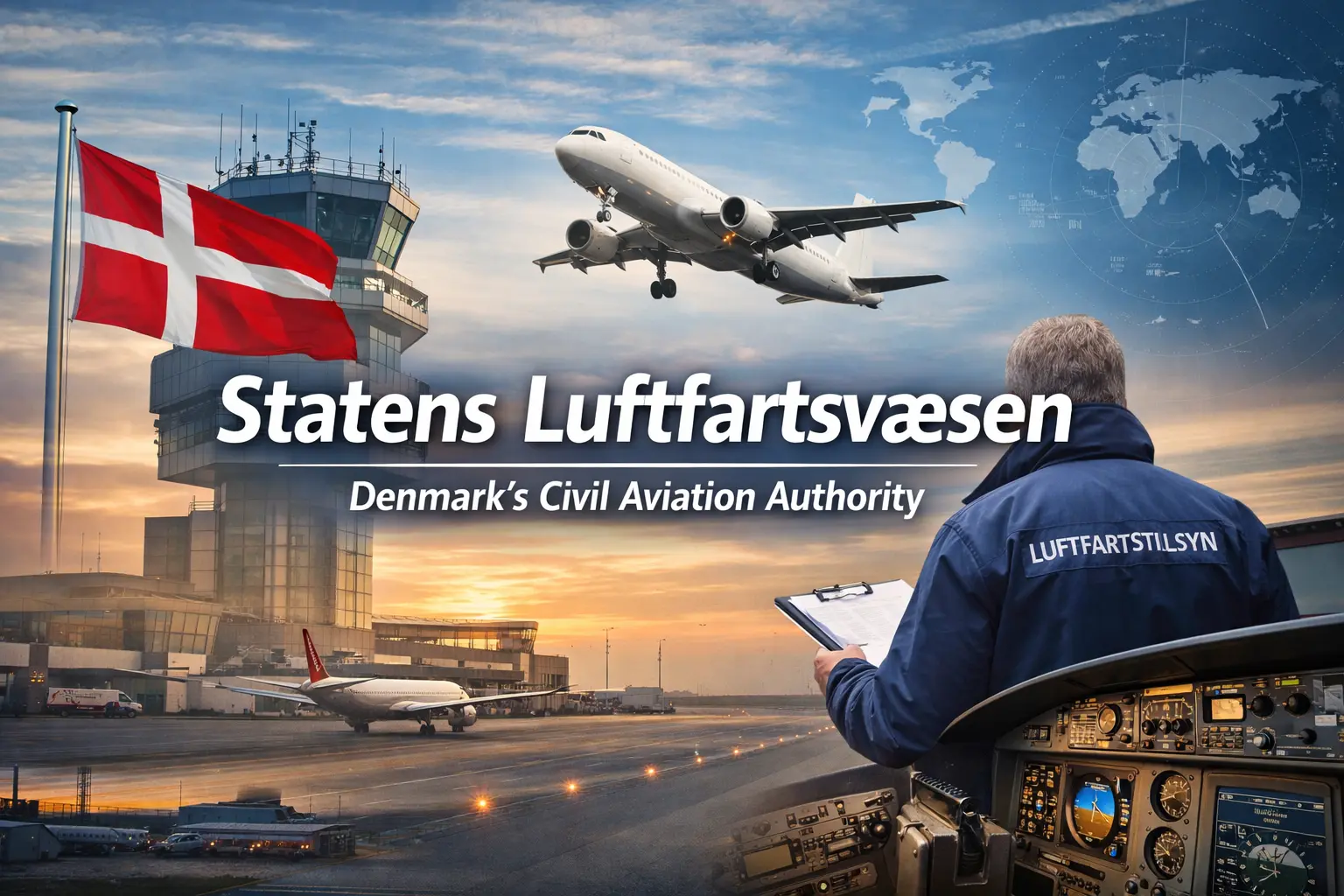
Civil aviation has always required strong regulation, clear rules, and constant oversight to ensure safety and efficiency. In Denmark, this responsibility was historically carried by an important public institution known as statens luftfartsvæsen. Although it no longer exists under that name, its role, impact, and legacy remain highly relevant for anyone researching aviation regulation, air safety, or transport history in Denmark.
This article offers a detailed and informational overview of statens luftfartsvæsen, its background, responsibilities, organizational structure, and its lasting influence on Danish aviation governance.
Historical Background of Statens Luftfartsvæsen
Statens luftfartsvæsen was established as Denmark’s central authority for civil aviation during a period when air travel was rapidly expanding across Europe. Originally formed under a different name in the late 1930s, the institution evolved alongside technological advancements and international aviation standards.
The organization adopted the name statens luftfartsvæsen in the 1980s, reflecting its expanded responsibilities and modern regulatory role. At that time, aviation had become a critical part of national infrastructure, requiring detailed oversight of safety, licensing, airworthiness, and airport operations.
For decades, statens luftfartsvæsen served as the backbone of Denmark’s civil aviation framework, ensuring that both domestic and international aviation activities met strict safety and operational standards.
Core Responsibilities and Regulatory Role
The primary function of statens luftfartsvæsen was to regulate and supervise civil aviation within Denmark’s airspace. This responsibility covered a wide range of activities, from individual pilot certification to the approval of commercial airline operations.
One of its most important duties was developing and enforcing aviation regulations. These rules governed how aircraft were maintained, how flights were conducted, and how aviation professionals were trained. By maintaining consistent regulatory standards, statens luftfartsvæsen helped reduce operational risks and improve overall flight safety.
In addition, the authority was responsible for issuing licenses and certificates to pilots, cabin crew, maintenance organizations, and training institutions. This ensured that everyone involved in aviation met professional and technical requirements before being allowed to operate.
Safety Oversight and Compliance Monitoring
Aviation safety was at the heart of statens luftfartsvæsen’s mission. The organization carried out inspections, audits, and investigations to confirm that airlines and aviation service providers complied with national and international standards.
Regular oversight activities included aircraft inspections, safety audits of airlines, and operational reviews of airports. When safety concerns were identified, statens luftfartsvæsen had the authority to issue corrective actions or impose restrictions to protect passengers and crew.
This proactive approach to safety helped Denmark maintain a strong reputation for reliable and secure aviation operations. It also aligned the country with international aviation best practices, ensuring smooth cooperation with foreign aviation authorities.
Relationship with International Aviation Standards
Civil aviation does not operate in isolation, and statens luftfartsvæsen played an important role in aligning Denmark’s aviation system with international frameworks. The authority worked in accordance with global aviation standards and contributed to international cooperation efforts.
By implementing internationally recognized safety and operational rules, statens luftfartsvæsen ensured that Danish airlines could operate across borders without regulatory conflicts. This alignment also made Denmark’s aviation sector more competitive and trustworthy on a global level.
The organization’s work supported consistency in pilot licensing, aircraft certification, and safety reporting, which are essential elements of international air travel.
Organizational Structure and Internal Divisions
To manage its wide range of responsibilities, statens luftfartsvæsen operated through specialized divisions. Each unit focused on specific areas such as safety oversight, technical regulation, air traffic coordination, and administrative support.
One division concentrated on aviation inspection and compliance, while another handled regulatory development and documentation. This structure allowed the organization to maintain efficiency and clarity in its decision-making processes.
Over time, certain operational functions were separated from regulatory oversight to improve transparency and accountability. This separation reflected broader European trends in aviation governance and contributed to a more modern regulatory system.
Transition and Institutional Changes
In the early 21st century, Denmark restructured its transport administration. As part of this reform, statens luftfartsvæsen was merged into a larger national transport authority. This change marked the end of statens luftfartsvæsen as an independent institution, but not the end of its responsibilities.
Its regulatory duties were absorbed into a broader transport framework, allowing aviation oversight to be integrated with other transport sectors. This transition aimed to improve coordination, efficiency, and policy alignment across the entire transport system.
Despite this institutional change, the principles, regulations, and standards developed by statens luftfartsvæsen continued to influence aviation governance in Denmark.
Importance in Danish Aviation History
The historical significance of statens luftfartsvæsen lies in its long-term contribution to aviation safety and regulatory stability. The organization helped guide Denmark through major developments in aviation, including the growth of commercial air travel, technological innovation, and increasing international cooperation.
Many of the procedures and regulatory practices established during its operation remain in use today, either directly or in adapted form. This continuity highlights the lasting value of the institution’s work.
For researchers, aviation professionals, and policy analysts, statens luftfartsvæsen represents an important case study in effective civil aviation administration.
Modern Relevance and Ongoing Influence
Even though statens luftfartsvæsen no longer exists as a separate authority, its legacy continues through modern aviation regulation in Denmark. Current aviation policies still reflect the safety-focused and compliance-driven approach that defined the institution.
Understanding statens luftfartsvæsen provides valuable context for interpreting present-day aviation rules and administrative structures. It also helps explain how Denmark maintains high safety standards in a complex and constantly evolving aviation environment.
The institution’s history demonstrates how strong governance can support both innovation and safety in civil aviation.
Conclusion
Statens luftfartsvæsen played a central role in shaping Denmark’s civil aviation system. Through decades of regulatory work, safety oversight, and international coordination, it helped establish a strong and reliable aviation framework. Although the institution itself has been absorbed into a broader administrative structure, its influence remains visible in modern aviation policies and practices. Understanding statens luftfartsvæsen is essential for anyone seeking insight into Denmark’s aviation history, regulatory development, and commitment to air safety.
Frequently Asked Questions
What was statens luftfartsvæsen?
Statens luftfartsvæsen was Denmark’s former civil aviation authority responsible for regulating and supervising aviation safety, licensing, and operations.
When did statens luftfartsvæsen stop operating?
The organization ceased to exist as a separate authority after being merged into Denmark’s national transport administration in the early 2010s.
What were its main responsibilities?
Its main tasks included aviation regulation, safety oversight, certification of personnel and aircraft, and compliance monitoring.
Is statens luftfartsvæsen still relevant today?
Yes, its regulatory framework and safety principles continue to influence modern aviation governance in Denmark.
Who handles aviation regulation now?
A national transport authority currently manages aviation regulation, building on the foundation established by statens luftfartsvæsen.
You May Like: What is PlayBattleSquare?