
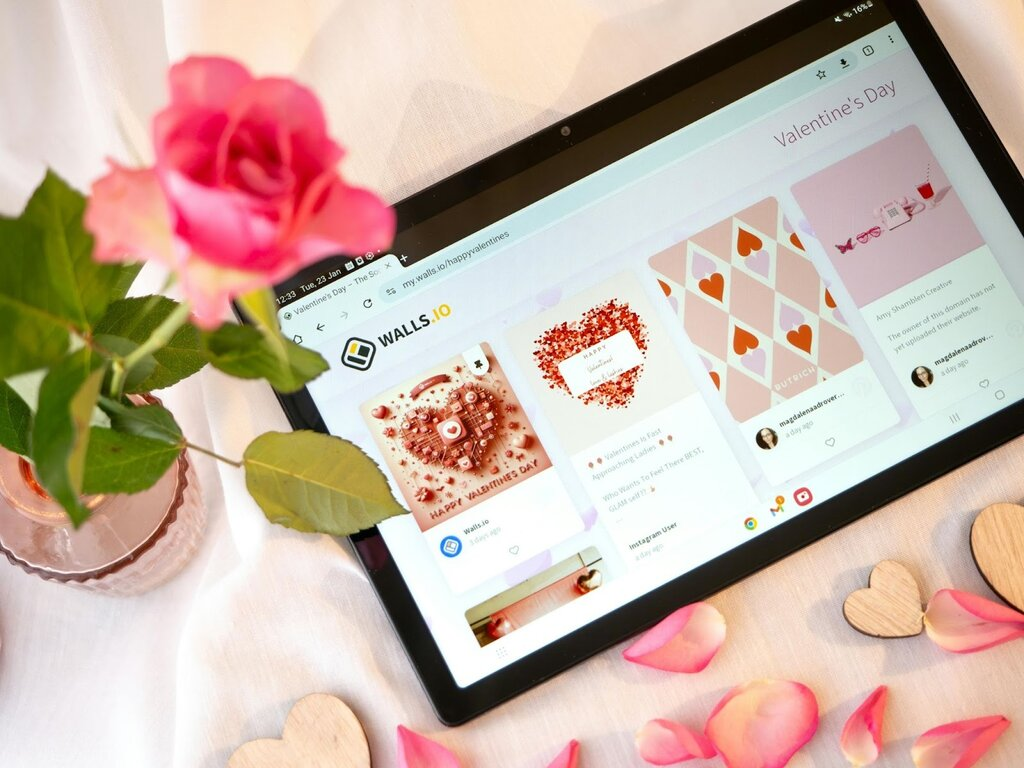
Remote work rewired how we connect. Scattered teams spanning continents, families separated by oceans, flexible schedules that never quite sync up—these realities mean those spontaneous office celebrations are mostly extinct. Statistics Canada tracked something interesting: back in 2019, only 19% of businesses let employees telework. By 2023? That number jumped to 28%. Moving our desks home meant our celebrations followed. This guide digs into how digital greeting cards and online ecards help you celebrate, acknowledge, and genuinely connect across distances that used to feel impossible to bridge.
Digital Wins vs. Traditional Paper: Speed, Reach, and Real Impact
Now that you understand why digital greeting cards became critical for remote culture, you’re probably wondering how they actually compare to traditional paper cards. The differences go way beyond simple convenience.
Instant delivery that reaches anyone (without feeling hollow)
Online ecards let you send messages immediately, schedule them with precision, and reach literally anyone with internet access. Postal delays? Gone. Worrying whether someone’s actually in the office when a card arrives? Not your problem anymore.
Smart time-zone scheduling means you can create a card at midnight but have it arrive during the recipient’s morning coffee.Speed doesn’t kill sincerity here—it actually prevents last-minute guilt. Planning with reminders and scheduled delivery increases thoughtfulness because you’re not frantically scrambling and are more likely to craft something meaningful.
Environmental wins and budget predictability without quality compromise
Paper cards create waste. Period. Shipping them adds carbon emissions to every celebration. Digital alternatives eliminate both problems while matching or exceeding the gesture’s impact. A Canadian bank discovered that offering e-signatures for loan applications collapsed processing time from 8 days down to 24–48 hours. Celebrations benefit from identical speed advantages. For teams managing budgets, everything becomes predictable. No surprise postage costs, no emergency runs to card stores, just consistent expenses that scale cleanly with team growth.
The personalization advantage of digital cards actually nails
Here’s where digital obliterates paper: rich media capabilities. You can embed photos, GIFs, video clips, and voice messages—things paper cards physically cannot do. Personalized layouts accommodate inside jokes and collaborative messages from dozens of contributors without turning into an unwieldy poster.While individual ecards solve delivery challenges beautifully, the real transformation happens when entire teams collaborate asynchronously to celebrate together. That’s when group ecards turn scattered colleagues into genuinely connected communities.
Why Digital Greeting Cards Now Anchor Remote Culture
Remote work didn’t just relocate your workspace—it fundamentally altered celebration itself. Remember those hallway birthday ambushes? The quick high-five when someone closed a big deal? Most teams lost those organic moments entirely.
From an optional extra to a cultural backbone
Here’s what happened: digital greeting cards evolved into everyday infrastructure rather than something you’d consider a pleasant bonus. They’re no longer substitutes for paper cards you’d grudgingly accept. Instead, they’re how distributed companies manufacture belongings when people rarely share physical space.
Recognition that happened naturally when you bumped into colleagues now demands intentional digital moments. Remote-first teams spanning time zones and hybrid chaos use ecards as deliberate celebration architecture, not afterthoughts squeezed between meetings.
The emotional payoff? Substantial. People who feel genuinely recognized stick around longer. They contribute more energy and become vocal advocates. Done right, these digital touchpoints combat the isolation that plagues remote work and actually strengthen bonds between colleagues who’ve never met face-to-face.
Celebrations that migrated online (and desperately need better tools)
Think about what moved to digital spaces: onboarding welcomes for nervous new hires, work anniversaries nobody wants forgotten, promotions worth shouting about, kudos boards replacing bulletin boards, farewell tributes for departing teammates.
Personal milestones took the same journey—birthdays across distance, new baby announcements, condolence messages that require genuine care, holiday greetings, and major life transitions. The question isn’t whether you’ll celebrate online anymore. It’s whether you’ll use tools that feel authentically human or settle for generic email chains that everyone ignores. Scattered Slack messages don’t create meaningful moments.
Understanding why digital greeting cards matter is valuable, sure. But seeing how they transformed from nice extras into essential cultural infrastructure? That’s where things get interesting.
Building Group Ecards That Actually Feel Personal
When you design them around real remote-work patterns, group ecards create shared moments that feel surprisingly intimate—even when people never overlap in time zones.
Signature collection designed for asynchronous work
Let colleagues sign across several days with clear deadlines and automatic nudges. Time-zone-friendly workflows and mobile-first signing mean everyone participates when convenient for them. This eliminates the bottleneck of passing physical cards around an office that no longer exists.
Elevating group messages beyond generic Congrats!
Prompt-based signing transforms hollow messages into memorable ones. Ask contributors to share specific memories, express gratitude for particular impacts, or offer concrete wishes for someone’s future. Role-based prompts help too—a manager’s reflection carries different weight than peer observations or cross-team kudos.
Avoiding wall-of-text overwhelm in collaborative cards
Balance matters enormously. Templates with varied message areas, highlighting options, sorting capabilities, and featured notes prevent recipient overwhelm. Reaction buttons let people engage without writing essays every single time.Group ecard strategies provide your foundation, but birthdays remain the most frequent—and most scrutinized—recognition opportunity in remote teams. Let’s build birthday systems that ensure nobody gets forgotten, regardless of team size or global spread.
Making Birthday Ecards Work Across Distributed Teams
For distributed teams, birthday e-cards online work best when treated as repeatable systems rather than depending on someone’s memory.
Birthday systems that distribute ownership
Shared responsibility between HR, team leads, and buddy systems prevents burnout and forgotten celebrations—automated reminders triggered from calendar systems and scheduled sending guarantee consistent acknowledgment.
Personalization approaches that scale company-wide
Personalized subject lines, team photo collages, and favorite things prompts make each card feel custom-built. Mini-surveys collecting preferred names, interests, pronouns, and celebration preferences help you honor individual styles at scale.Mastering birthday workflows is excellent groundwork, but the employee lifecycle offers dozens more recognition opportunities that drive engagement when handled thoughtfully. Strategic corporate ecards for employees transform sporadic celebrations into year-round recognition systems, strengthening culture at every touchpoint.
Corporate Ecards That Actually Move Engagement Metrics
Throughout the year, corporate ecards for employees can support everything from welcoming nervous new hires to recognizing major milestones with consistency and genuine inclusivity.
Recognition moments across the entire employee journey
Welcome cards help new hires meet teammates before their terrifying first day. Milestone recognition for work anniversaries, promotions, and project launches maintains momentum. Support cards for wellness check-ins, bereavement, and burnout recovery demonstrate authentic care. Even departures benefit from farewell cards that preserve alumni goodwill.
Manager-driven versus peer-to-peer recognition (when each works best)
Private praise differs fundamentally from public celebration. Team-wide recognition is best for major milestones, while peer-to-peer cards work better for everyday appreciation. Authenticity trumps frequency every time—performative recognition damages culture fast.With recognition use cases mapped across employee journeys, your next question becomes: what formats make digital greeting cards memorable enough to keep rather than open and forget? Let’s explore next-generation features redefining what’s possible in 2026.
Your Burning Questions About Digital Greeting Cards
1. Is the greeting card industry growing?
Yes, substantially. The greeting cards market in the United States is expected to reach US$ 9,144.1 million by 2033, with a compound annual growth rate of 2.1% from 2025 to 2033, showing sustained demand.
2. Who created the first e-greeting card website?
Judith Donath created the first electronic greeting card site in 1994 at the MIT Media Lab. It was called the Electric Postcard and pioneered digital celebration.
3. Are digital greeting cards appropriate for professional settings?
Absolutely. When used thoughtfully, they’re more inclusive and effective than paper cards for distributed teams, offering better participation and richer personalization options.
Why Digital Celebration Matters More Than Ever
Digital greeting cards aren’t replacing meaningful connections—they’re making it possible when physical proximity can’t be assumed. Remote work created celebration gaps; these tools fill them with intention, creativity, and genuine acknowledgment. Whether you’re marking birthdays, milestones, or everyday wins, the right approach transforms scattered teams into connected communities who actually care about each other. Don’t let distance become your excuse for silence. Start celebrating deliberately.