
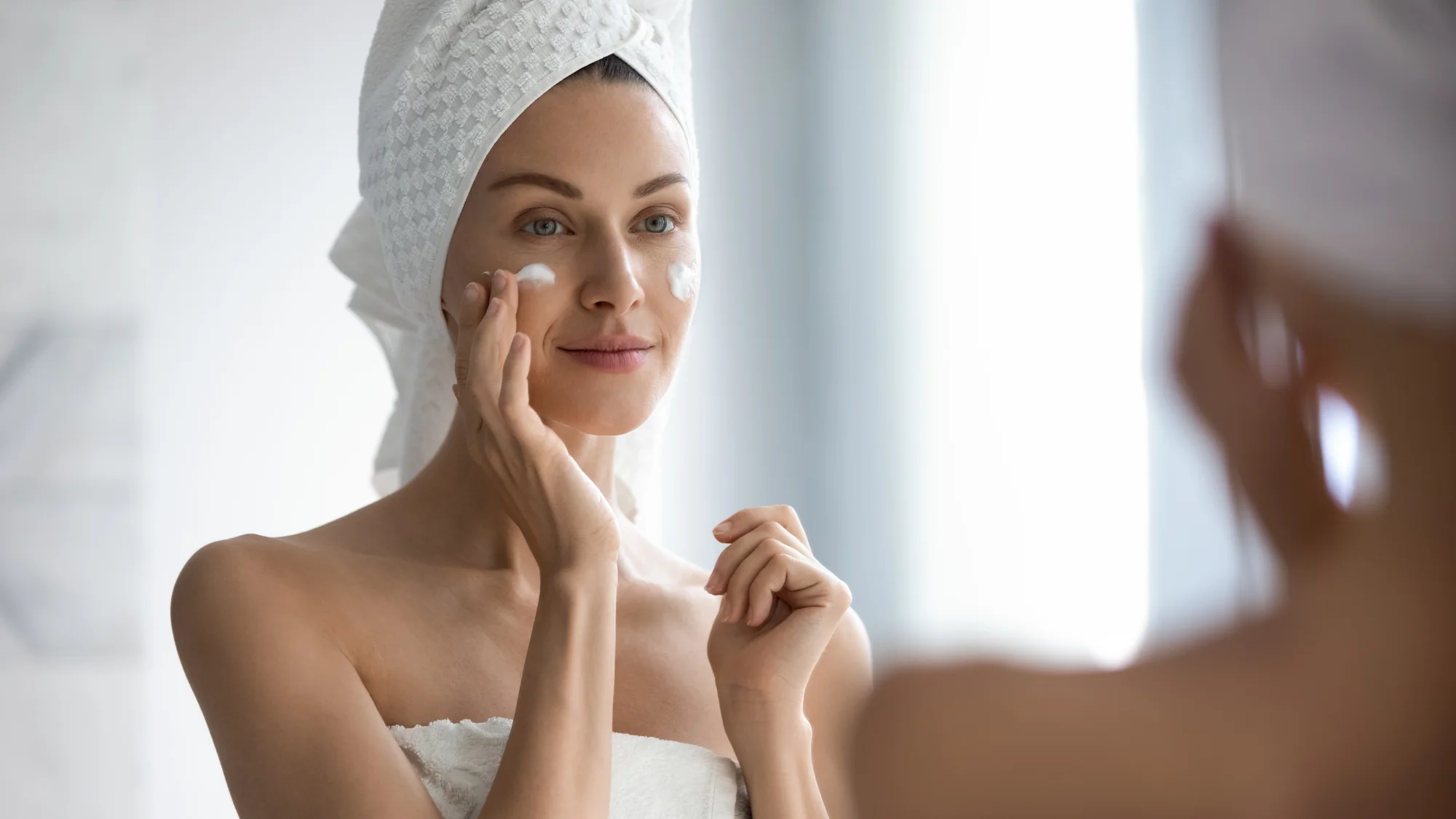
Dark spots can develop gradually after acne, sun exposure, or hormonal changes. While many cosmetic products promise brighter skin, deeper pigmentation often requires a more targeted medical strategy. Understanding the difference between cosmetic brighteners and clinically supported treatments helps set realistic expectations and choose the right approach.
This article explains how dark spots form and why medical-strength options are sometimes more effective.
Why Dark Spots Develop
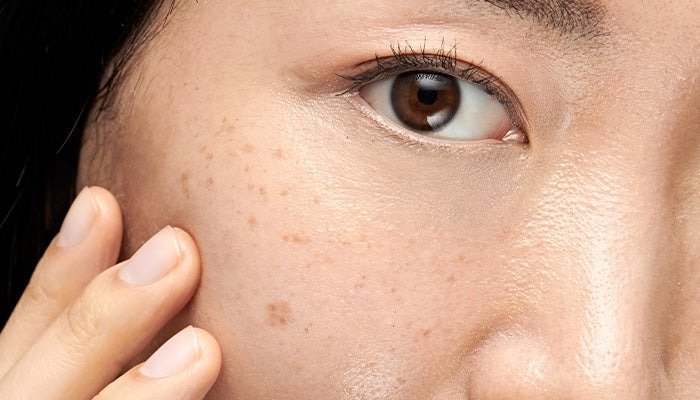
Hyperpigmentation occurs when melanocytes produce excess melanin in response to inflammation or UV radiation. Once deposited, this pigment can remain visible for months.
Common triggers include:
- Post-acne healing
- Sun damage
- Hormonal fluctuations
- Skin irritation
- Inflammatory skin conditions
Because pigment production is an ongoing biological process, effective treatment must interrupt melanin synthesis at its source.
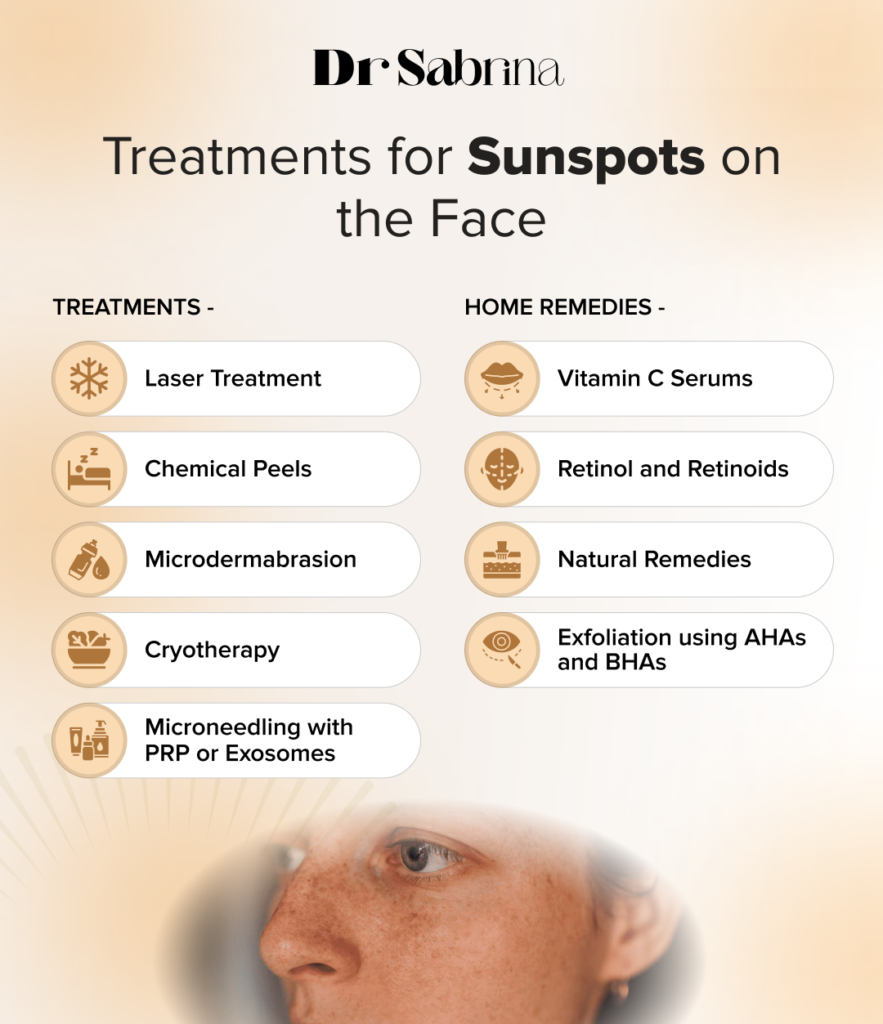
Cosmetic Brightening: What It Can (and Can’t) Do
Cosmetic brightening products often contain antioxidants, plant extracts, or gentle exfoliating acids. These ingredients can:
- Improve overall glow
- Promote mild surface renewal
- Support gradual tone refinement
However, they typically do not strongly suppress melanin production in deeper pigmentation disorders.
For mild uneven tone, cosmetic brighteners may be sufficient. For persistent dark patches, stronger options are often necessary.
Medical Treatment: Targeting Pigment at the Enzyme Level
Medical-strength treatments focus on inhibiting tyrosinase, the key enzyme responsible for melanin production.
Hydroquinone 4% remains one of the most studied and widely used topical agents for this purpose. It works by:
- Reducing melanin synthesis
- Gradually lightening dark spots
- Improving contrast between pigmented and normal skin
- Delivering measurable clinical results
According to PubMed, hydroquinone continues to be a gold-standard topical treatment for melasma and other forms of hyperpigmentation.
Why Targeted Application Matters
Unlike cosmetic products applied across the entire face, hydroquinone is typically used only on affected areas.
Best practices include:
- Applying a thin layer directly to dark spots
- Avoiding surrounding normal skin
- Using broad-spectrum sunscreen daily
- Limiting treatment duration as recommended
Sun protection is essential to prevent recurrence during therapy.
Choosing a Hydroquinone 4% Cream
Formulation quality plays an important role in safety and consistency. A commonly selected option is:
👉 hydroquinone 4% cream for dark spots
https://okdermo.com/product/4-hydroquinone-cream-melalite-30g/
This concentration is often used for moderate to stubborn hyperpigmentation under professional guidance.
What Results Typically Look Like
Improvement develops gradually over several weeks.
Patients often notice:
- Softer contrast in dark areas
- Brighter, more even appearance
- Reduced visibility of post-inflammatory marks
Maintenance care may be recommended after initial improvement.
Who Should Use Caution?
Medical-strength pigmentation treatments may not be appropriate for:
- Very sensitive skin
- Pregnant or breastfeeding individuals
- Long-term unsupervised use
Consulting a healthcare professional helps ensure appropriate use.
Conclusion
While cosmetic brightening products can improve mild uneven tone, persistent dark spots often require a more targeted medical approach. By directly suppressing melanin production, hydroquinone 4% provides clinically supported improvement for deeper hyperpigmentation.
With consistent application and strict sun protection, meaningful and lasting results are achievable.